- Phone / WhatsApp:+86 157 0677 9792
- sales@toonice.com
-
English



What Is the Difference Between Dry Type Transformers and Oil-Filled Transformers?
Jul 21,2026
Dry type transformers and oil-filled transformers are common equipment in electrical power distribution. Dry type transformers utilize solid material like resin or insulation paper for cooling, which improves operation security inside buildings or high-fire-risk facilities. Oil-filled transformers rely on transformer oil to serve as an insulating medium and coolant, which fits large-capacity, high-voltage, and outdoor power environments. Both types offer specific advantages regarding heat dissipation efficiency, upkeep expenditure, and environmental protection.
This article explains the primary distinctions between dry type and oil-filled transformers through structural principles, performance metrics, installation situations, and selection advice.
Key Takeaways
What Is a Dry Type Transformer?
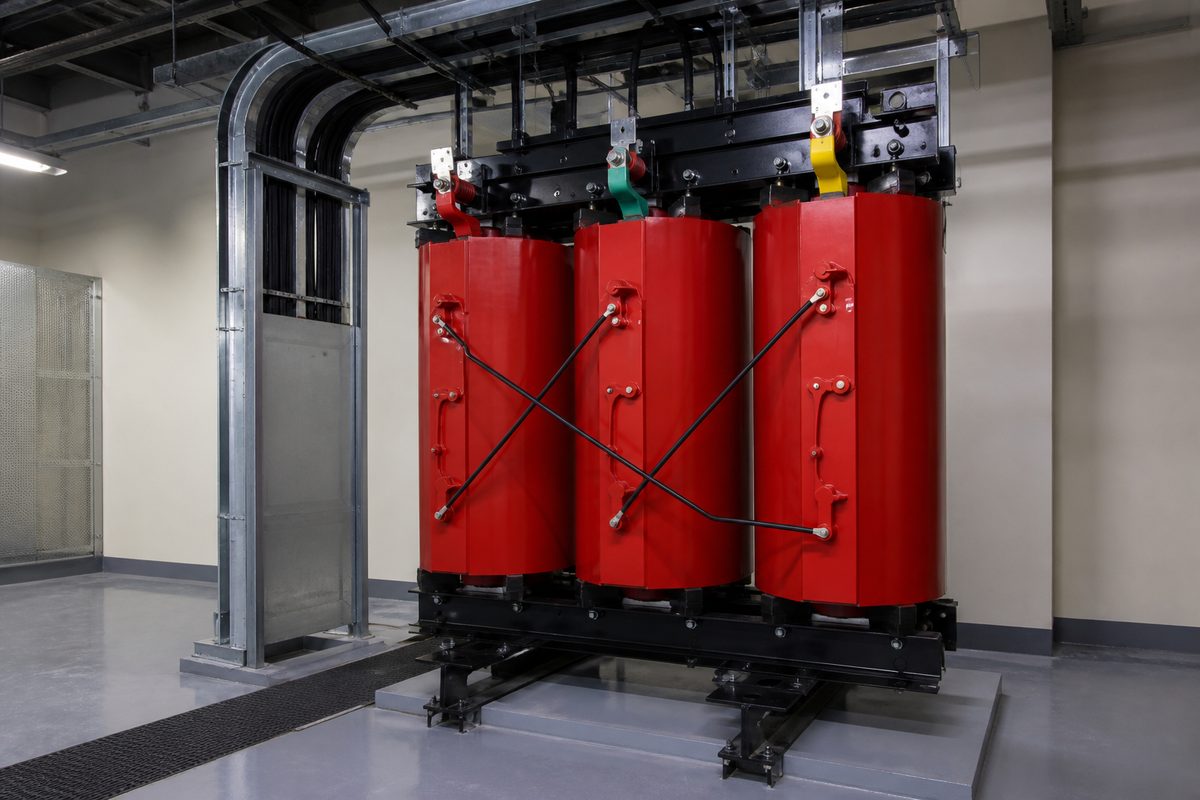
A dry type transformer is a piece of electrical equipment where the core and windings do not sit in liquid insulation. It uses epoxy resin casting or vacuum pressure impregnation technology to wrap around the windings while relying on natural air movement or forced fans to cool down. Because it operates without flammable liquid media, a dry type transformer provides high flame resistance, which makes it popular in skyscrapers, subways, hospitals, and shopping centers where safety mandates are strict.
Explore Toonice dry type transformers for indoor and fire-sensitive sites.
What Is an Oil-Filled Transformer?
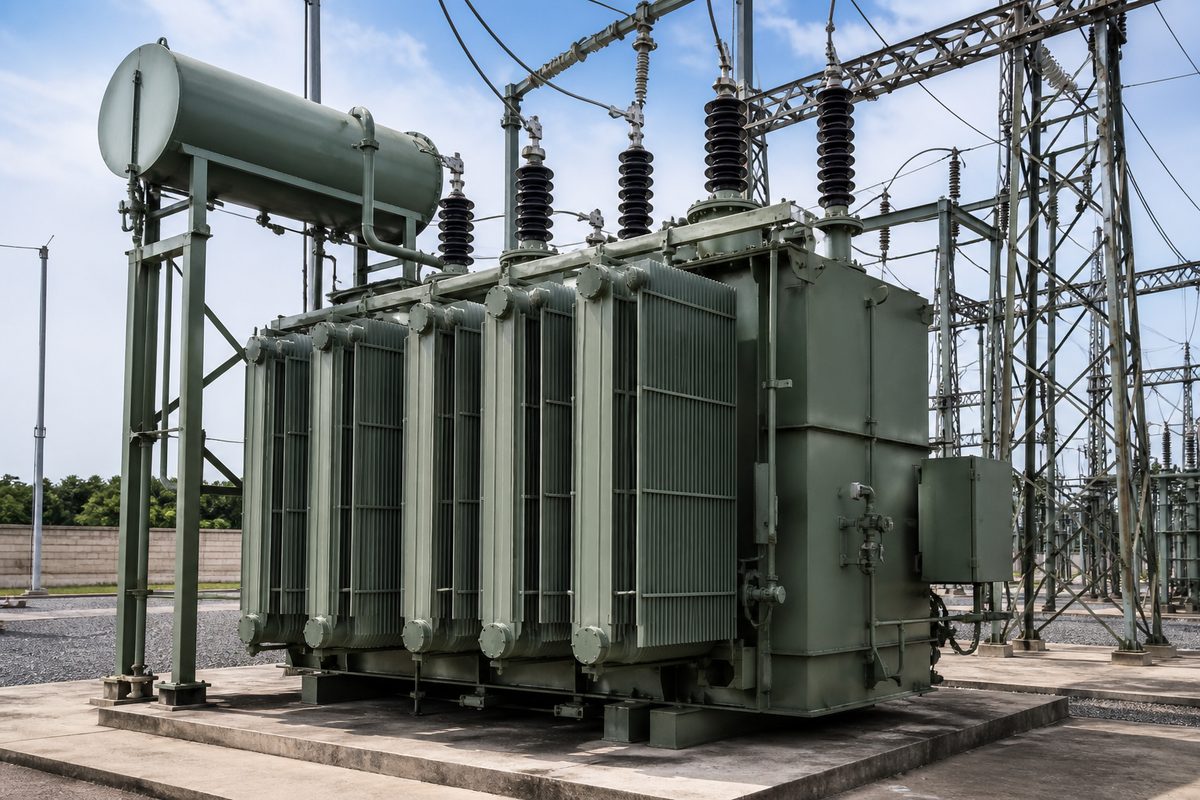
An oil-filled transformer is electrical equipment that places its core and windings inside a tank filled with transformer oil such as mineral or synthetic fluid. Transformer oil functions as an effective electrical insulator and a strong heat conductor. Heat generated during operation flows through the insulating oil to the tank walls and radiators before releasing outside. Thanks to strong heat dissipation and dielectric strength, an oil-filled transformer manages elevated voltage levels along with heavy power loads, which makes it standard equipment for outdoor substations and industrial grids.
See Toonice oil-immersed transformers for outdoor and high-capacity grids.
What Are the Main Differences Between Dry Type Transformers and Oil-Filled Transformers?
Insulation and Cooling Media
The fundamental difference lies in the state of the medium used for internal cooling and insulation. Dry type transformers avoid liquid media entirely, relying on air channels or solid epoxy resin structures for natural or forced cooling, where electrical insulation relies on solid insulating materials that possess high strength. Oil-filled transformers utilize liquid media like mineral oil circulating inside the tank, which absorbs thermal energy and transfers it toward external cooling panels. This medium variation dictates the physical structure, unit size, and operational characteristics of both transformer types.
Fire Safety and Security Performance
Regarding security protection and fire prevention, dry type transformers show clear performance advantages over oil-filled transformers. Dry type transformers use solid insulating materials that resist flame, which prevents open fire generation or explosion risks when short circuits or thermal faults happen. Oil-filled transformers contain large amounts of flammable transformer oil, which can cause tank ruptures, oil leaks, or fires if insulation breakdown or severe overload occurs. Consequently, oil-filled transformers require extra safety setups such as fire walls, blast catch basins, and oil collection pits.
Installation Location and Environmental Adaptability
Installation environments and space constraints represent primary factors that split the application scenarios of these transformer types. Dry type transformers can sit directly in load centers or enclosed indoor distribution rooms because they lack oil, pollution, and fire risks, which saves long cable runs and floor space costs. Oil-filled transformers feature sealed tank construction that offers resistance against moisture, dust, and weather erosion, which makes them suited for outdoor fields, coastal zones, or polluted industrial sites. Dry type transformers operating in damp or dusty conditions require outer enclosures that provide enhanced protection levels.
Initial Cost and Upkeep Expense
Economic evaluation reveals contrasting patterns between initial purchase expenses and long-term operating costs for both transformer choices. Oil-filled transformers feature mature manufacturing processes and lower raw material expenses, which keeps their purchase price lower than dry type transformers at equal capacity. Oil-filled transformers require routine oil sampling, oil replenishment, filtration, and gasket replacements, which increases maintenance expenses over time. Dry type transformers require larger upfront capital, yet they avoid liquid degradation issues and require simple dust cleaning and inspection, which delivers lower total lifecycle costs.
Comparison Overview
| Comparison Dimension | Dry Type Transformer | Oil-Filled Transformer |
|---|---|---|
| Cooling/Insulation Medium | Air or epoxy resin solid materials | Transformer oil including mineral or vegetable oil |
| Fire Security | High flame resistance without explosion risk | Moderate with potential oil leaks, fire, or explosion risks |
| Primary Location | Indoors, high-rise buildings, underground spaces | Outdoor substations, industrial fields |
| Initial Purchase Cost | Higher | Lower |
| Daily Upkeep Demand | Minimal with simple cleaning requirements | High with regular oil testing and leak prevention |
| Maximum Single-Unit Capacity | Medium and small setups up to 25 MVA | Large setups reaching hundreds of MVA |
| Environmental Resilience | Sensitive to moisture and dust | Sealed against harsh weather and industrial pollutants |
| Service Life | 20 to 25 years | 30 to 40 years |
How to Choose the Right Transformer?
Selection Based on Installation Site and Safety Level
Selecting a transformer begins with evaluating the safety protection requirements of the installation site. If a project sits inside populated commercial complexes, high-rise apartments, hospitals, or underground transit networks, dry type transformers represent the preferred choice due to strict fire regulations and personal safety requirements. In outdoor substations, large factory grounds, or open spaces that lack strict fire safety codes, oil-filled transformers utilize their physical protection advantages while lowering initial construction investment.
Selection Based on Grid Capacity and Voltage Rating
Power load scale and voltage rating dictate the applicable transformer category for a project. Large power transmission systems, high-voltage grids, or heavy industrial operations use oil-filled transformers because efficient liquid cooling and high dielectric strength sustain large power transfers. Dry type transformers are constrained by solid medium heat dissipation rates, which limits their primary use to medium- or low-voltage distribution networks alongside smaller power loads. Using dry type transformers for extra-large capacity demands creates technical hurdles and high costs.
Selection Based on Capital Budget and Operational Strategy
Capital investment structures and operational plans serve as practical factors when choosing equipment. Projects with tight upfront funding that possess trained maintenance teams and oil testing tools can choose oil-filled transformers to reduce initial financial strain. Projects that target low long-term operating costs, reduced site labor, or installation in remote unattended stations gain advantages from dry type transformers, where higher upfront investment pays off through minimal maintenance requirements.
Oil-Filled Transformer Recommendations
Toonice offers various oil-filled transformers configured for outdoor power grids and industrial facilities.
Oil Immersed Transformer (10-35kV)
High-efficiency oil-immersed power transformer engineered for medium-voltage distribution across regional grids and large industrial facilities.
Oil Immersed Transformer
Reliable liquid-filled transformer designed for stable voltage regulation and thermal dissipation in industrial and commercial power networks.
Dry Type Transformer Recommendations
Toonice provides dry type transformers designed for high-density indoor facilities and commercial spaces.
Epoxy Resin Cast Coil Dry-Type Transformer
High-safety dry-type transformer with cast resin insulation, ideal for fire-sensitive indoor environments, commercial complexes, and industrial sites.
Dry-Type Transformer
Low-maintenance transformer providing reliable power distribution and strong moisture resistance for modern infrastructure projects.
Conclusion
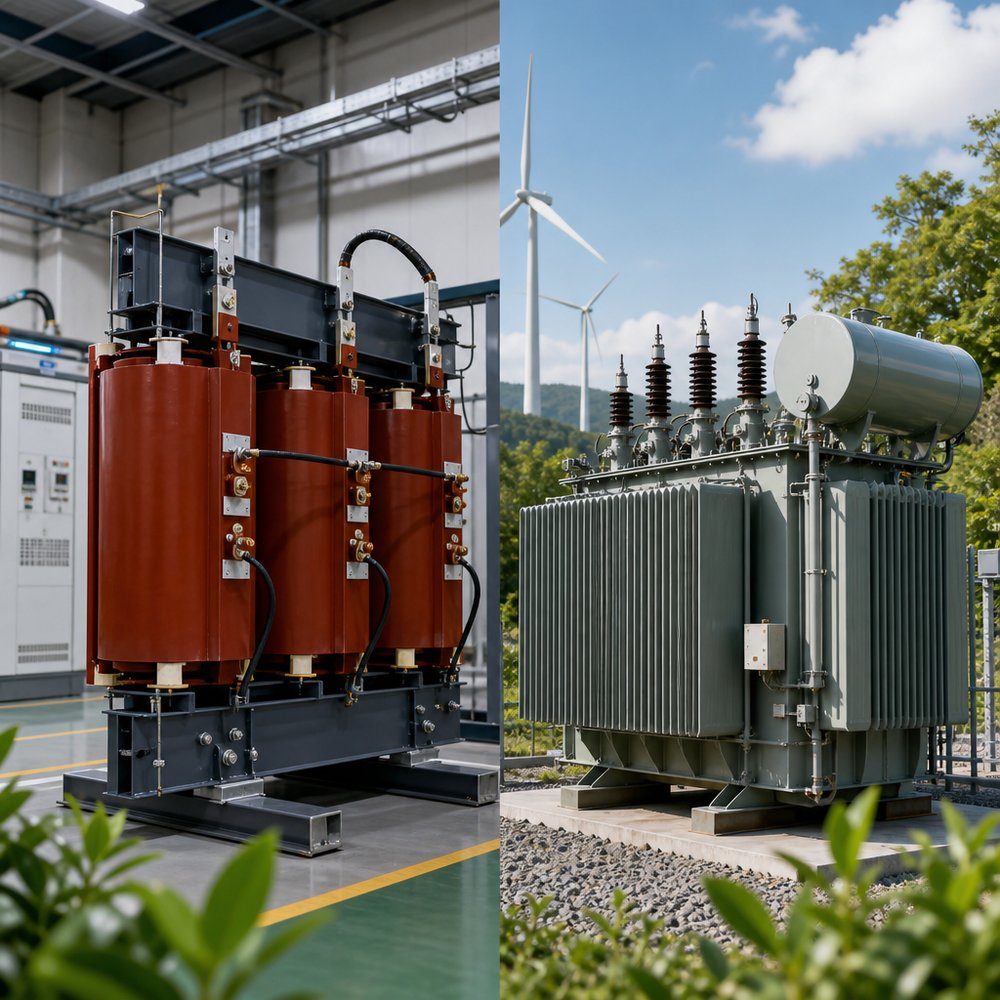
Dry type transformers and oil-filled transformers feature distinct technical advantages and application areas. Dry type transformers provide safety features, minimal maintenance requirements, and environmental friendliness that suit indoor setups with fire safety standards. Oil-filled transformers offer heat dissipation capabilities, large capacity handling, and cost value that dominate outdoor high-voltage grids. Matching safety needs, capacity limits, and budget plans provides the foundation for reliable power system operation.
Toonice manufactures dry type transformers and oil-filled transformers for various power setups. You can visit our homepage to contact our team for product advice.
Need help selecting the right transformer for your project?
FAQs
Can dry type transformers be installed outdoors?
Dry type transformers can operate outdoors when equipped with protective enclosures like IP43 ratings that block rain, dust, and debris, which adds equipment costs.
Why do oil-filled transformers achieve better heat dissipation than dry type transformers?
Transformer oil possesses higher thermal conductivity and heat capacity than air, allowing circulating liquid to move heat away from core and winding assemblies faster.
Do dry type transformers have a shorter service life than oil-filled transformers?
Oil-filled transformers often reach 30 to 40 years of service life when proper oil testing happens, whereas dry type transformers last around 20 to 25 years because solid insulating materials age under thermal exposure.
Which transformer is better for environmental protection?
Dry type transformers avoid oil leakage risks that contaminate soil or water supplies, and their resin and metal parts can be recycled easily after decommissioning.
What special requirements apply when using oil-filled transformers indoors?
Indoor installations of oil-filled transformers demand separate fire walls, automatic fire suppression systems, emergency oil retention pits, and forced ventilation systems to comply with fire safety codes.

--- END ---

MV & LV Equipment Manufacturer · Wenzhou, China
COMPANY
PRODUCTS
INDUSTRIES