- Phone / WhatsApp:+86 157 0677 9792
- sales@toonice.com
-
English
What Is the Difference Between an SF6 Circuit Breaker and an SF6 Load Break Switch?
Jul 15,2026
Sulfur hexafluoride gas switching equipment serves as a foundational component in high-voltage power distribution networks. An SF6 load break switch opens and closes circuits during standard operations, which simplifies load management in compact ring main units because the gas provides high dielectric insulation inside sealed epoxy resin or stainless steel enclosures. An SF6 circuit breaker delivers comprehensive system protection by interrupting massive short-circuit currents, which preserves transformer integrity and grid stability across utility substations.
While SF6 load break switches lower initial equipment costs in secondary distribution, SF6 circuit breakers provide automatic fault isolation that high-capacity nodes require. Choosing the appropriate switchgear demands a clear understanding of gas pressure designs, internal mechanisms, and functional boundaries.
This article explains the differences between SF6 circuit breakers and SF6 load break switches regarding arc extinction mechanisms, structural complexity, interrupting ratings, and application scenarios.
Key Takeaways
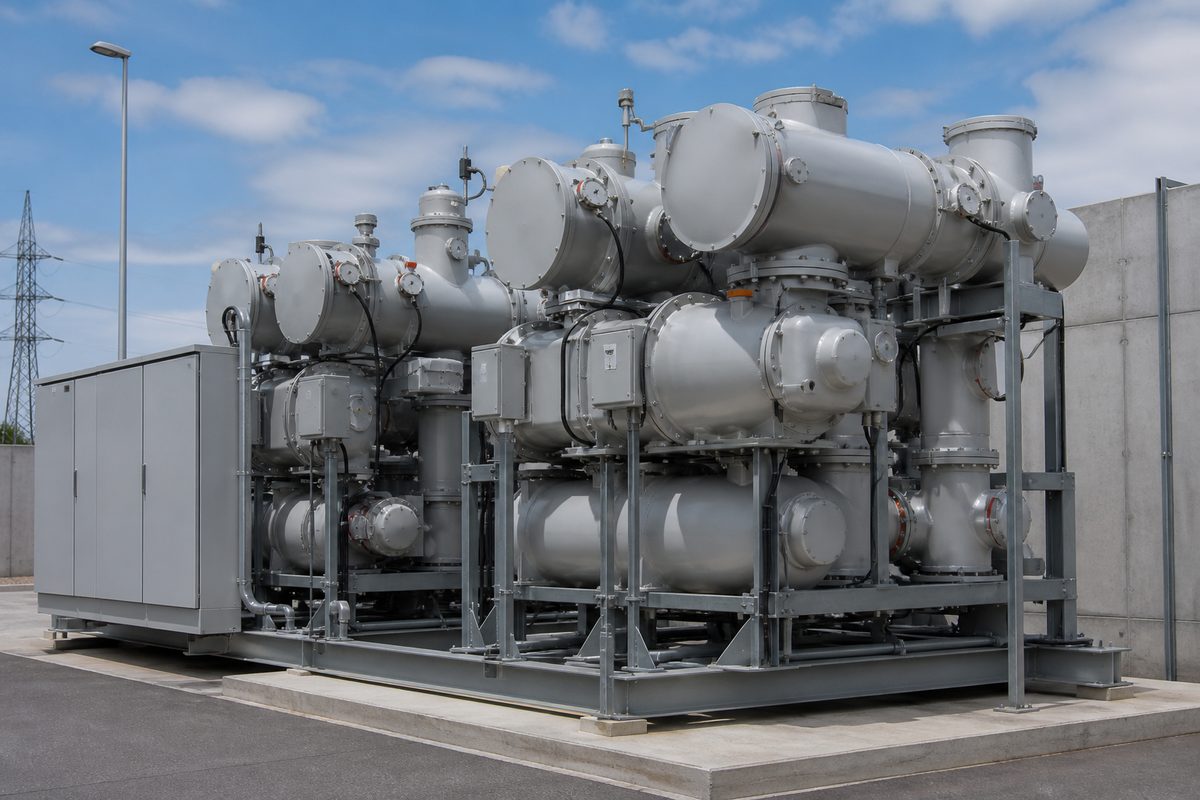
Overview of SF6 Load Break Switches and SF6 Circuit Breakers
An SF6 load break switch functions as a compact control unit designed to connect or disconnect circuits operating under normal load conditions. The device houses its main contact system inside a sealed chamber filled with pressurized sulfur hexafluoride gas, which prevents electrical arcing during routine switching operations. Because an SF6 load break switch cannot clear short-circuit faults on its own, power engineers pair it with current-limiting fuses when downstream transformer protection becomes a requirement.
An SF6 circuit breaker operates as an advanced protective device built with high interrupting capacity to handle severe system disturbances. The unit utilizes pressurized sulfur hexafluoride gas to cool and extinguish intense electric arcs generated during fault conditions. When protective relays detect overcurrent or short circuits, the operating mechanism opens the contacts rapidly to interrupt fault currents reaching tens of kiloamperes, which stops physical damage to connected electrical infrastructure.
What Does SF6 Mean?
SF6 stands for sulfur hexafluoride, an inorganic compound consisting of one sulfur atom bonded to six fluorine atoms. This gas exhibits exceptional dielectric strength alongside high thermal conductivity, which allows electrical equipment to extinguish arcs rapidly within small physical clearances. Sulfur hexafluoride remains chemically inert and nonflammable under normal operating conditions.
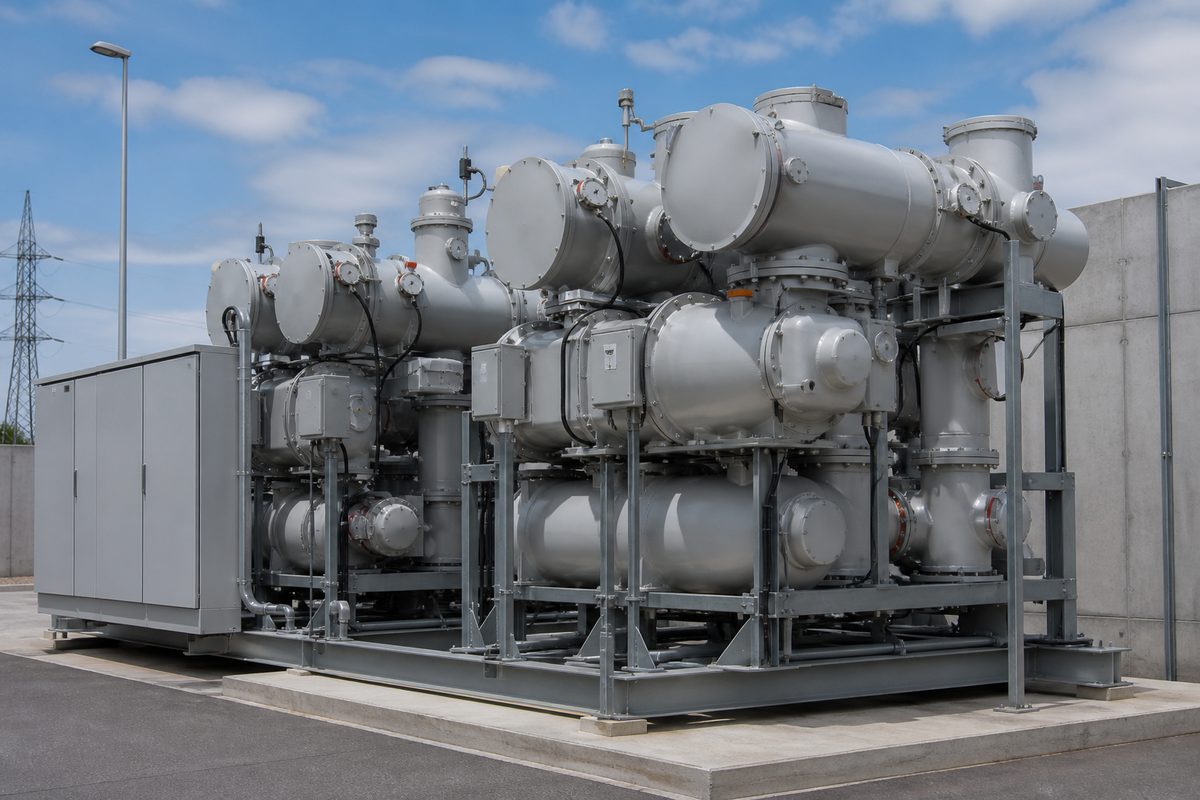
Differences Between SF6 Circuit Breakers and SF6 Load Break Switches
Gas Pressure and Arc Chamber Construction
Gas chamber engineering creates a clear structural distinction between these two devices because their arc quenching demands differ significantly. An SF6 load break switch operates inside a sealed gas enclosure filled at relatively low gauge pressures, relying on simple rotary contacts or sliding blades to break load currents. An SF6 circuit breaker requires high gas pressure setups coupled with complex puffer cylinders or self-blast arc chambers. When an SF6 circuit breaker opens during a short circuit, internal pistons compress the gas to force a high-velocity blast directly through the arc nozzle, which cools and extinguishes the intense electric arc rapidly.
Interruption Capability and Contact Heavy-Duty Rating
Contact construction and current handling limits determine how these units react when facing system faults. An SF6 load break switch features light-duty contacts designed to make or break rated load currents up to a few hundred amperes, which leaves the contacts vulnerable to melting if forced to interrupt a short circuit directly. An SF6 circuit breaker uses heavy-duty copper-tungsten arc contacts positioned alongside main current-carrying contacts. This dual-contact arrangement allows the circuit breaker to withstand repeated short-circuit breaking operations at currents exceeding forty kiloamperes without sustaining terminal damage.
Operating Mechanisms and Tripping Linkages
The mechanical linkages driving these switching devices reflect their operational purposes in power networks. An SF6 load break switch utilizes a spring-charge mechanism configured for basic manual or motor-driven opening and closing cycles. An SF6 circuit breaker incorporates high-energy spring mechanisms, hydraulic actuators, or pneumatic drives that deliver high-speed contact separation. These circuit breaker drives link directly to microprocessor relays and shunt trip coils, which triggers immediate disengagement within milliseconds when fault sensors detect abnormal electrical conditions.
Protection Integration and Auxiliary Components
Protection hardware configurations dictate the operational independence each unit maintains during grid disturbances. An SF6 load break switch acts primarily as a manual or motorized switching device without internal current transformers or trip relays, requiring an attached fuse combination unit to achieve short-circuit protection. An SF6 circuit breaker incorporates current transformers, voltage sensors, and electronic trip units into a single cohesive system. This integrated setup allows the circuit breaker to monitor circuit parameters continuously, executing automatic tripping procedures without relying on external destructive components like fuses.
Substation Footprint and Spatial Requirements
Physical dimensions and installation footprints vary based on the internal insulation arrangements of these units. An SF6 load break switch maintains a compact profile that fits easily inside space-constrained urban ring main units and compact box substations. An SF6 circuit breaker occupies a larger physical volume because its high-pressure gas systems, trip linkages, and structural phase clearances demand wider safety margins. Facilities with strict spatial limitations often favor SF6 load break switches for secondary distribution nodes where high-capacity fault clearing remains unnecessary.
Lifecycle Costs and Maintenance Considerations
Financial expenses and maintenance routines differ across the working lifespan of these electrical switchgear types. An SF6 load break switch requires a lower upfront purchase price and minimal maintenance due to its simple mechanical structure and sealed gas design. An SF6 circuit breaker involves higher initial capital costs alongside ongoing inspection requirements for gas pressure monitoring, density switches, and complex mechanical drives. However, choosing an SF6 circuit breaker for primary substations prevents catastrophic equipment failures, which yields superior long-term economic returns for major utility networks.
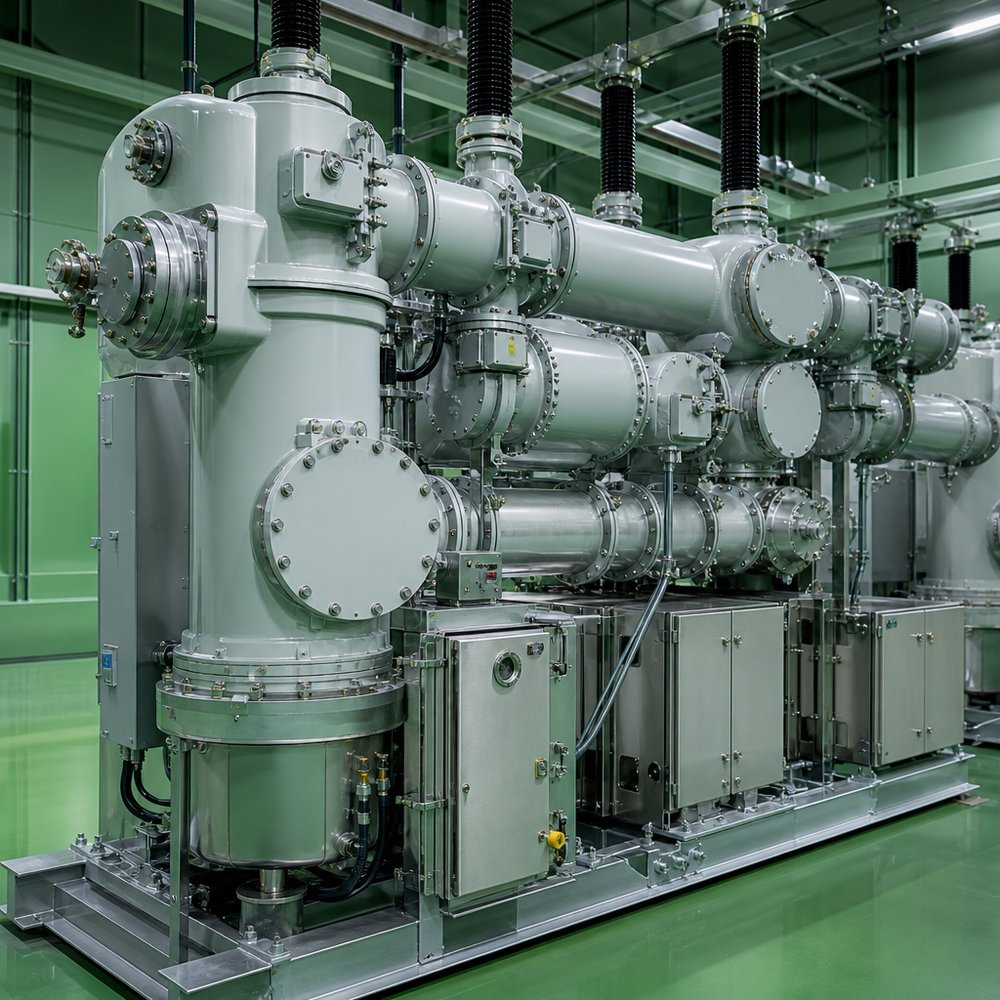
Some SF6 Load Break Switches
3.3 kV SF6 Load Break Switch
Compact load break switch for low-voltage power control in small industrial and commercial installations.
FLN36-6 SF6 6kV Load Break Switch
Reliable medium-voltage SF6 load break switch designed for urban power grids and standard industrial distribution.
FLN36-7.2 SF6 Load Break Switch
High-performance SF6 switchgear engineered for higher-capacity load switching in substations and distribution networks.
Conclusion
SF6 load break switches and SF6 circuit breakers fulfill distinct operational roles across high-voltage electrical networks. Selecting between these devices requires a balanced evaluation of fault levels, physical space limits, automation goals, and total project budgets.
Toonice offers a wide range of SF6 load break switches. Please visit our homepage for inquiries, or contact our team directly.
FAQs
Q: Can an SF6 load break switch interrupt short-circuit currents?
No. An SF6 load break switch handles normal load currents only, which requires a paired high-voltage fuse to clear short-circuit faults.
Q: Why do engineers use SF6 gas in circuit breakers and load break switches?
SF6 gas provides high dielectric strength and thermal conductivity, which allows switchgear to extinguish electric arcs quickly inside compact enclosures.
Q: How does an SF6 circuit breaker extinguish an electric arc?
The circuit breaker compresses SF6 gas using a puffer piston or self-blast chamber, blowing a high-pressure gas stream across the arc to cool it at current zero.
Q: Is an SF6 load break switch cheaper than an SF6 circuit breaker?
Yes. An SF6 load break switch costs significantly less because it utilizes simpler internal mechanisms, lower gas pressures, and basic operating drives.
Q: Can an SF6 load break switch replace an SF6 circuit breaker in a primary substation?
No. Primary substations require high short-circuit breaking capacity and automatic relay protection that only an SF6 circuit breaker provides.

--- END ---

MV & LV Equipment Manufacturer · Wenzhou, China
COMPANY
PRODUCTS
INDUSTRIES