- Phone / WhatsApp:+86 157 0677 9792
- sales@toonice.com
-
English



Choosing Between Air Insulated Switchgear and Gas Insulated Switchgear
Jul 26,2026
Air Insulated Switchgear, also known as AIS, and Gas Insulated Switchgear, also known as GIS, serve as fundamental control and protection equipment in power transmission and distribution systems. AIS relies on ambient air as its primary insulating medium, which suits open areas with limited budgets and plentiful land. GIS uses sulfur hexafluoride or eco-friendly gas mixtures with high dielectric strength, which fits dense urban environments, coastal sites, and harsh climates.
Selecting the right switchgear affects power supply reliability, long-term operational expense, and substation footprint optimization. AIS provides distinct advantages in upfront purchasing cost and maintenance simplicity, while GIS delivers high performance in space utilization, environmental resilience, and reduced maintenance demands.
This article outlines the comparison between AIS and GIS regarding technical principles, performance variations, financial factors, and selection strategies.
Key Takeaways
Selection Decision Checklist
Use this checklist before you choose between air insulated switchgear and gas insulated switchgear.
What Is Air Insulated Switchgear?
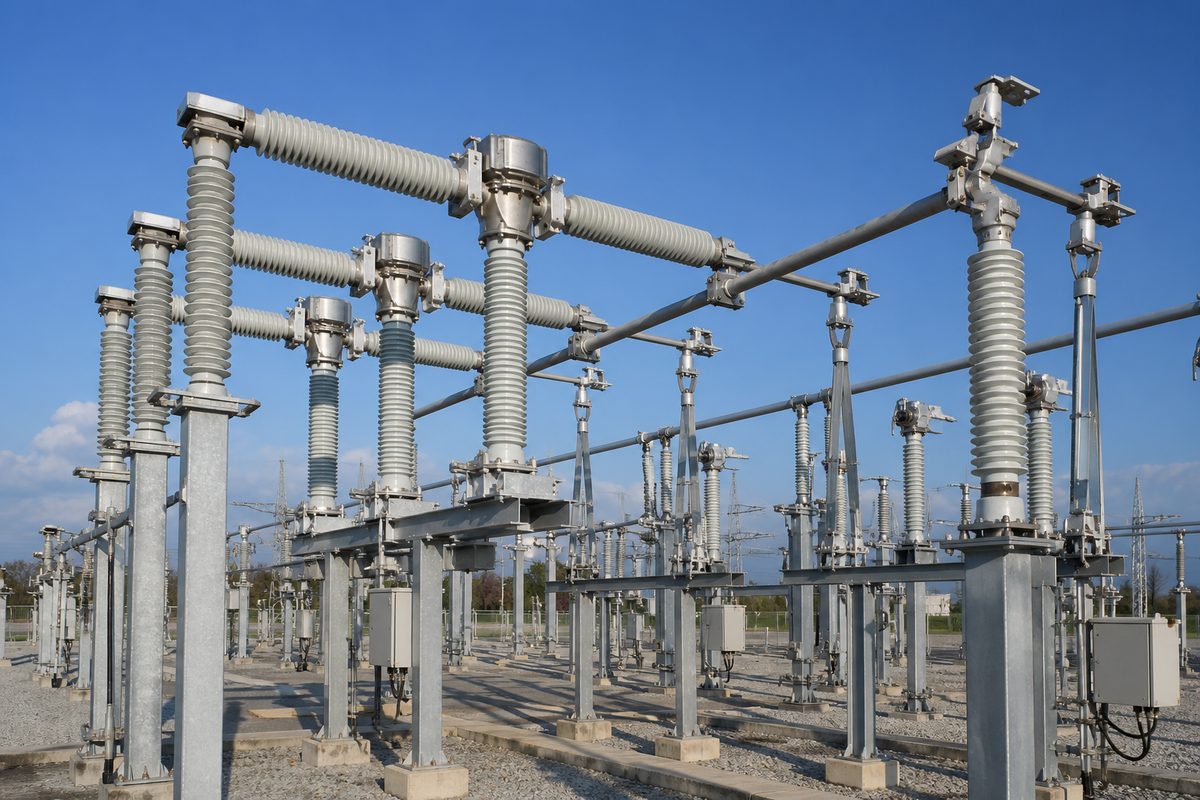
Air Insulated Switchgear represents a traditional category of power control equipment where high-voltage energized components such as busbars, circuit breakers, and disconnectors use ambient atmospheric air for phase and ground insulation. Because air possesses relatively modest insulating strength, phase conductors must maintain wide physical clearances from one another. This requirement results in large equipment dimensions, which leads engineers to place these units in outdoor open stations or spacious industrial facilities.
What Is Gas Insulated Switchgear?
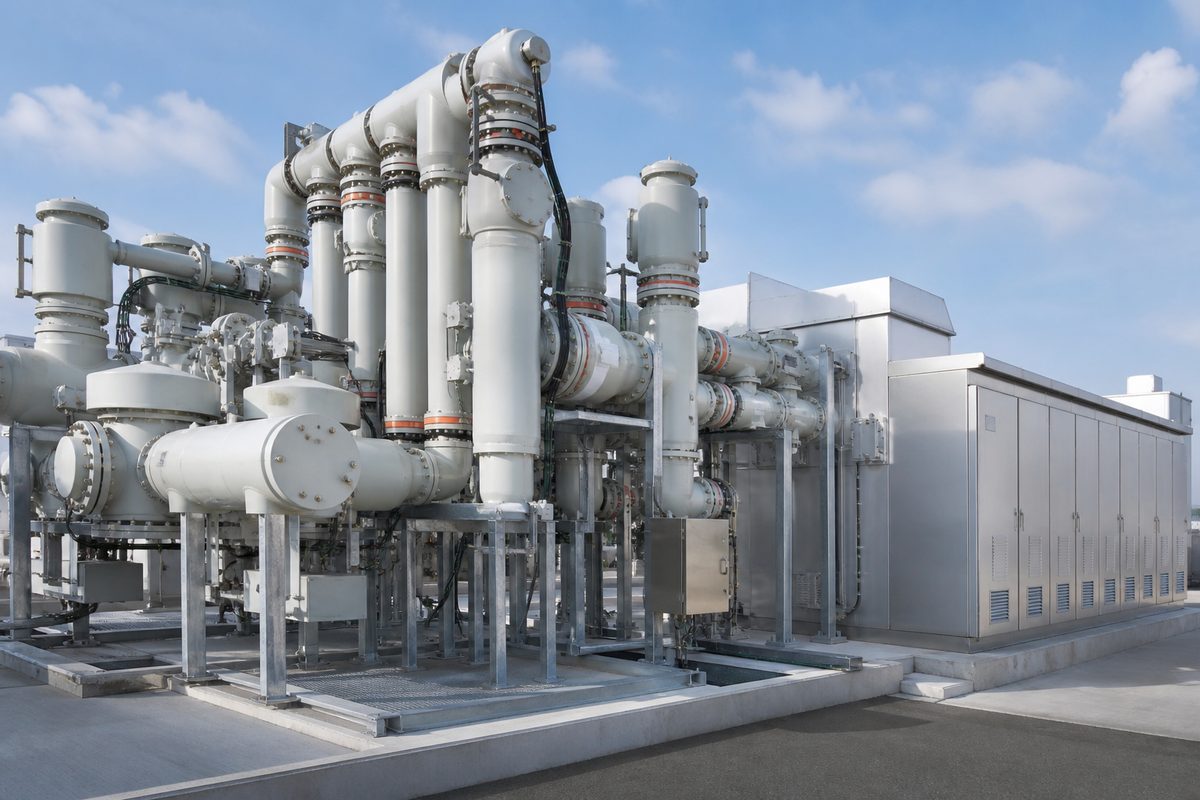
Gas Insulated Switchgear represents an integrated metal-enclosed assembly that seals circuit breakers, busbars, disconnectors, and instrument transformers inside grounded metal enclosures filled with sulfur hexafluoride gas. Gas provides insulating properties superior to atmospheric air, which allows designers to reduce safety clearances between energized parts. This design produces a compact layout that functions well in space-constrained sites or severe operating environments.
How Do Air Insulated Switchgear and Gas Insulated Switchgear Differ?
Insulation Medium and Structural Design
The selection of insulation medium establishes the structural framework for each equipment type. Air Insulated Switchgear relies on atmospheric air, which leaves energized components exposed to the open environment and demands wide electrical clearances that produce a spread-out layout. Gas Insulated Switchgear uses pressurized gas with high dielectric strength, which keeps high-voltage parts enclosed inside grounded metal piping. This configuration yields a compact profile while creating full enclosure protection that enhances operational safety.
Footprint and Space Requirements
Footprint requirements show the most direct physical distinction between these technologies. Air insulation constraints force AIS installations to maintain large clearances between conductor phases, which consumes significant land acreage at higher voltage levels. Gas insulation efficiency allows GIS equipment to minimize structural dimensions, which reduces the required land area down to ten or thirty percent of an equivalent AIS facility. This spatial efficiency liberates expensive land resources in sites where real estate commands high market prices.
Environmental Adaptability and Reliability
Environmental resilience directly influences how power hardware handles harsh operational conditions. AIS conductors remain exposed to open air, which leaves them vulnerable to dust, salt spray, high humidity, industrial pollution, and ice accumulation that increase flashover risk. GIS places primary components inside sealed metal chambers, which isolates internal hardware from external climate factors. This sealed environment provides resistance against corrosion, seismic activity, and atmospheric pollutants, which allows consistent operation across coastal regions or heavily polluted industrial zones.
Maintenance Demands and Lifecycle Considerations
Maintenance requirements shape the overall operating economy of each setup across its operational life. Exposed AIS components collect environmental debris, which creates a need for regular cleaning, insulation testing, and mechanical lubrication that increases total maintenance labor. GIS uses sealed construction that keeps inner parts isolated from environmental degradation, which extends maintenance intervals and decreases forced outages. Lower ongoing maintenance expenses offset the higher initial acquisition cost of GIS over long operating periods.
Quick Comparison
| Feature | Air Insulated Switchgear | Gas Insulated Switchgear |
|---|---|---|
| Insulating Medium | Ambient atmospheric air | Pressurized sulfur hexafluoride or eco-friendly gas |
| Structure | Open frame or semi-enclosed with separated parts | Sealed metal housing with integrated components |
| Footprint Space | Large space requirements due to air clearance | Compact space requirements taking ten to thirty percent of AIS area |
| Initial Equipment Cost | Lower purchasing expenditure | Higher purchasing expenditure due to complex gas sealing |
| Installation and Civil Cost | Higher land acquisition and site grading expense | Lower civil expense with straightforward indoor installation |
| Environmental Sensitivity | High sensitivity to salt, moisture, and pollution | Low sensitivity because internal parts remain fully isolated |
| Maintenance Frequency | High frequency with routine cleaning schedules | Low frequency requiring basic pressure monitoring |
| Safety Level | Exposed conductors require physical guard barriers | Grounded metal enclosures eliminate direct contact risks |
| Target Application | Suburban areas, open plains, and budget-focused projects | Urban centers, coastal sites, underground stations, and polluted areas |
How Should You Choose Between Them?
Site Location and Spatial Constraints
Land availability serves as a primary decision parameter when picking switchgear equipment. Projects situated in dense urban centers, underground substations, or industrial parks where real estate commands premium prices favor GIS installations because they provide full capacity within minimal dimensions. Projects located in rural regions or open plains where land remains inexpensive favor AIS installations, which cuts early capital outlay for property acquisition and foundation preparation.
Environmental Conditions and Climate Factors
Surrounding environmental conditions influence equipment durability and system stability over time. Coastal regions subject to salt fog, heavy industrial zones, humid zones, and areas prone to dust storms benefit from GIS installations, which isolate internal conductors from outdoor contamination. Clean inland regions with mild climates allow standard AIS equipment to perform reliably without requiring the extra financial commitment associated with gas-enclosed hardware.
Project Budget and Financial Planning
Financial allocation strategies require balancing upfront procurement costs against total lifecycle expenditure. Projects operating under strict initial capital limits find value in AIS equipment, which reduces initial purchasing costs. Projects evaluating long-term financial metrics prefer GIS equipment because low maintenance fees, high reliability, and minimized outage risks generate higher overall returns across decades of operation.
Air Insulated Switchgear Recommendations
Toonice manufactures reliable Air Insulated Switchgear options engineered for open-air substations and industrial facilities that require straightforward maintenance access.
7.2 kV Air Insulated Switchgear
Compact air insulated switchgear for medium-voltage protection in factory and municipal power networks.
10 kV Air Insulated Switchgear
Standard indoor medium-voltage switchgear engineered for urban distribution grids and commercial facilities.
3.3 kV Air Insulated Switchgear
Reliable compact switchgear built for lower medium-voltage applications in small industrial units.
Cost-Effective Indoor MV Switchgear
Economical indoor switchgear designed for efficient power distribution with low maintenance demands.
Gas Insulated Switchgear Recommendations
Toonice produces compact Gas Insulated Switchgear solutions designed for high-density urban substations and aggressive industrial environments.
3.3 kV Gas Insulated Ring Main Unit
Compact gas insulated unit designed for low medium-voltage distribution in small power networks.
6 kV SF6 Gas Insulated Switchgear
Sealed ring main unit engineered for stable power supply in industrial and factory networks.
7.2 kV Gas Insulated Switchgear
Compact medium-voltage switchgear built for secondary distribution networks with space constraints.
12 kV SF6 Gas Insulated Switchgear
Space-saving gas insulated switchgear tailored for urban grids and demanding environment applications.
Conclusion
Choosing between Air Insulated Switchgear and Gas Insulated Switchgear depends on space limits, climate exposure, and long-term funding strategies. Assessing full lifecycle costs reveals the option that delivers maximum financial and operational value for your specific installation.
Toonice supplies both switchgear variants, and our technical team stands ready to assist you through our homepage inquiry channel.
Unsure whether AIS or GIS fits your substation? Talk with Toonice engineers.
FAQs
What is the primary difference between AIS and GIS?
The primary difference lies in the insulation medium and structural footprint. AIS uses atmospheric air with exposed components over a wide area, while GIS uses sealed pressurized gas inside compact metal housing.
Why does GIS require a higher initial investment than AIS?
GIS requires precise metal gas chambers, specialized sealing processes, and high-performance insulating gas, which increases manufacturing expenses.
Does GIS equipment need frequent gas refilling or replacement?
No. Modern GIS features low leak rates below half a percent annually, which eliminates the need for routine gas refills during standard operational life.
Which switchgear option suits coastal substation projects best?
Coastal projects perform best with GIS installations because sealed metal housings isolate conductors from corrosive salt spray and high moisture levels.
What tasks does AIS maintenance typically involve?
AIS maintenance involves cleaning exposed insulators, inspecting busbar connection points for oxidation, and lubricating mechanical drive assemblies.

--- END ---

MV & LV Equipment Manufacturer · Wenzhou, China
COMPANY
PRODUCTS
INDUSTRIES