- Phone / WhatsApp:+86 157 0677 9792
- sales@toonice.com
-
English

What Is the Main Difference Between a Load Break Switch and a Circuit Breaker?
Jul 10,2026
Load break switches and circuit breakers serve as foundational components in power distribution systems. A load break switch opens and closes circuits under normal operating conditions, which simplifies daily maintenance and isolates system sections. Common designs feature solid insulation housing or vacuum interrupters. Circuit breakers deliver complete protection because they stop standard current while clearing fault currents like short circuits quickly, which preserves grid integrity and equipment life.
While load break switches reduce upfront spending, circuit breakers remain mandatory for automatic control and fault isolation. Choosing the right device requires a clear understanding of their performance limits and operational demands.
This article explains how load break switches and circuit breakers differ across functionality, arc quenching methods, protective mechanisms, and selection strategies.
Key Takeaways
Overview of Load Break Switches and Circuit Breakers
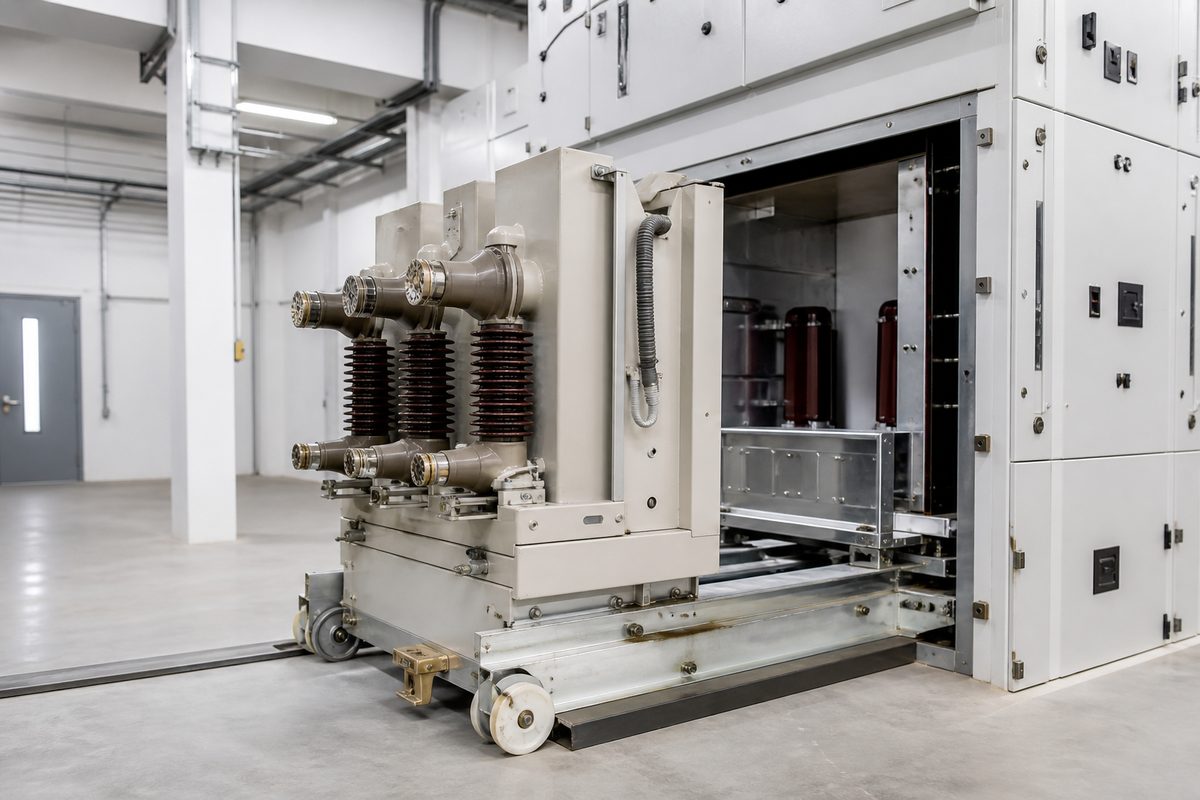
Load break switches operate as control devices positioned between high-voltage disconnectors and high-voltage circuit breakers. They feature simple arc-extinguishing units, which allows them to make or break normal load currents and mild overloads at rated voltages. However, load break switches lack the capability to interrupt short-circuit currents, which means technicians pair them with high-voltage fuses that blow to isolate short-circuit faults.
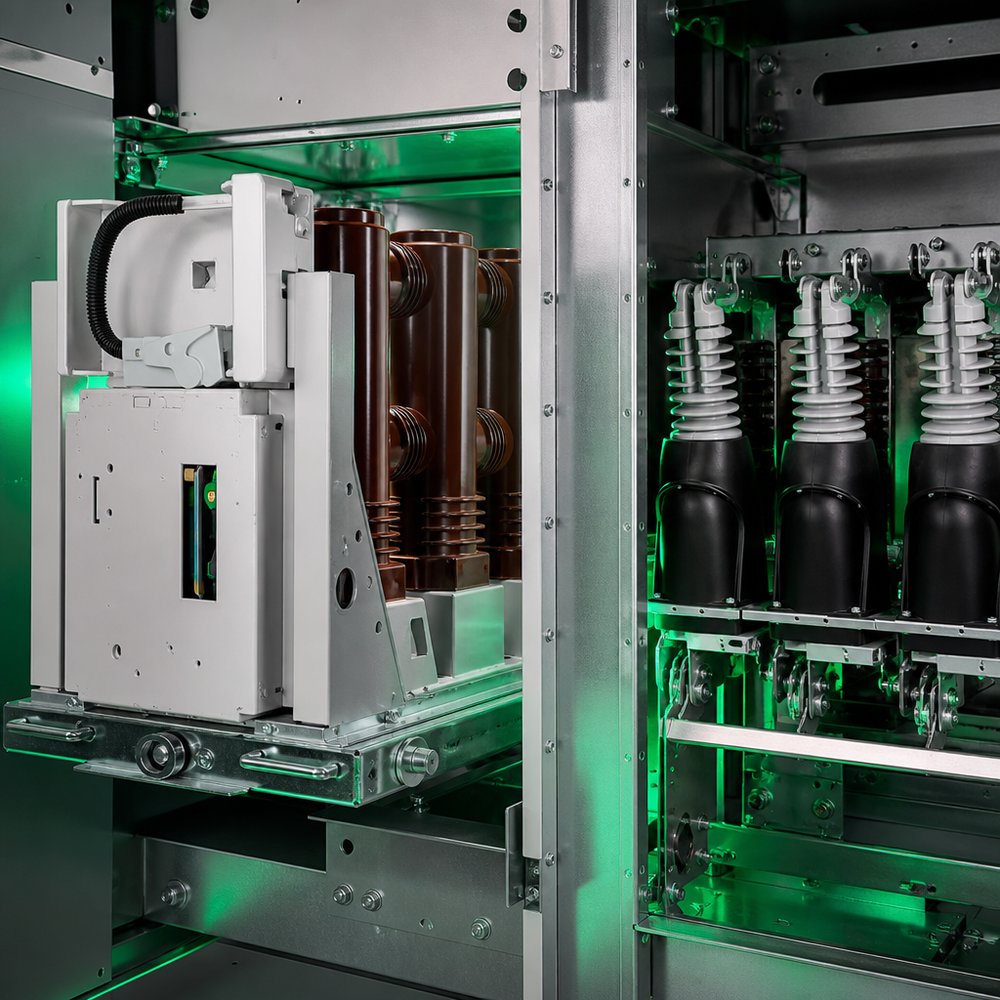
Circuit breakers function as comprehensive switching units built with strong arc-extinguishing capacity and automatic protection mechanisms. They handle standard load currents through manual or electric operation. When a short circuit, severe overload, or undervoltage occurs, the circuit breaker opens automatically via protective relays to interrupt fault currents reaching tens of thousands of amperes, which prevents equipment destruction and fire hazards.
Differences at a Glance
| Comparison Dimension | Load Break Switch | Circuit Breaker |
|---|---|---|
| Interruption capacity | Handles standard load currents and minor overloads | Clears normal currents and massive short-circuit fault currents |
| Arc quenching unit | Features simple construction using air, vacuum, or SF6 media | Features complex designs with high-strength vacuum, SF6, or gas-blast chambers |
| Protection function | Lacks automatic protection and relies on paired fuses | Contains internal or external trippers for automatic overload, short-circuit, and undervoltage protection |
| Operating frequency | Accommodates frequent manual or mechanical switching operations | Operates less frequently with an emphasis on reliable action during faults |
| Automation level | Relies mainly on manual operation with optional electric drives | Integrates into SCADA networks and smart grids through advanced automation |
| Equipment cost | Features simple manufacturing that keeps initial and maintenance costs low | Requires higher capital and technical maintenance expenditures due to component integration |
How Do They Differ?
Interruption Capacity and Current Handling
Interruption capacity marks the most fundamental technical boundary between these devices. Engineers design load break switches to open or close circuits during normal operations, which caps their breaking current at a few hundred amperes and leaves them unable to interrupt severe short-circuit currents. Circuit breakers utilize heavy-duty contacts and drive mechanisms, which enables them to manage normal load currents and close onto or break high short-circuit currents. A circuit breaker cuts off tens of kiloamperes within milliseconds, which stops thermal and electrodynamic forces from destroying distribution hardware.
Arc Quenching Media and Mechanisms
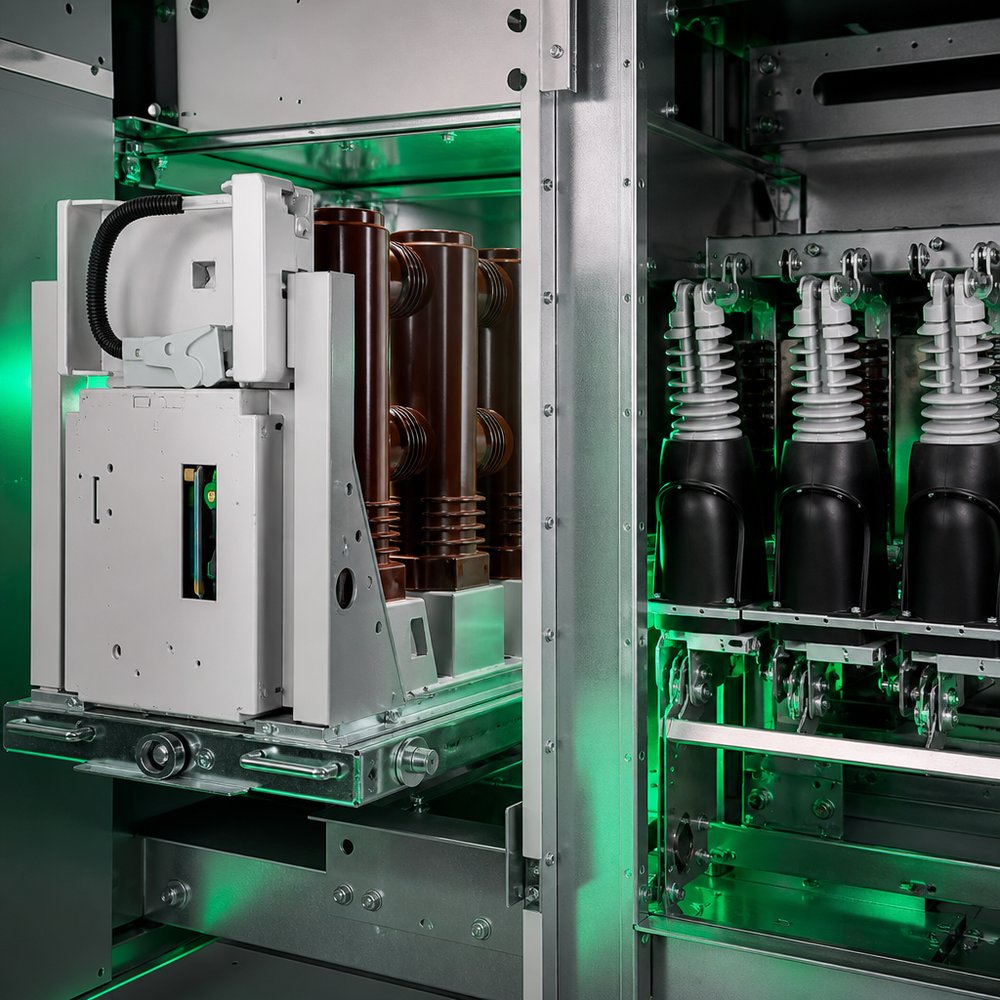
The strength of an arc quenching system determines the maximum current a device can clear. Because load break switches only need to extinguish arcs from standard load currents, their arc chambers remain compact and rely on gas-generating materials, narrow slots, or simple vacuum interrupters. Circuit breakers generate extreme heat and energy when clearing short circuits, which requires specialized arc quenching methods. These devices utilize high-pressure SF6 gas-blast technology or vacuum interrupters, which stretch and cool the arc so that ionized gas recombines and extinguishes the arc at current zero.
Protection Functions and Tripping Mechanisms
Built-in protection features dictate the operational roles these units assume within a circuit. A load break switch acts as a control component without internal current sensors or automatic tripping mechanisms, which prevents it from detecting circuit faults unless an operator pairs it with high-voltage fuses. A circuit breaker combines control and protection into a single unit, incorporating thermal-magnetic trippers or electronic protection relays. These components monitor line current and voltage in real time, triggering mechanical tripping mechanisms to disconnect the circuit automatically when an overload or short circuit occurs.
Operating Frequency and Mechanical Endurance
The mechanical designs of these two units prioritize different operational demands and lifespans. Load break switches serve as frequent switching devices in daily distribution management, which means their mechanical linkages favor high operational cycle counts for routine circuit switching and maintenance isolation. Circuit breakers feature mechanical structures tuned for high reliability and fast response during emergencies. Although circuit breakers support daily switching, their main purpose lies in remaining standby-ready over long periods so that they open cleanly without mechanical jamming upon receiving a fault signal.
System Automation and Remote Control
Integration capabilities with modern power grids vary between these two technologies. Load break switches typically rely on manual operators or basic motor drives, which suits them for local manual isolation and simple ring main units. Circuit breakers feature built-in electrical and electronic interfaces, which allows easy integration with microcomputer protection relays, remote terminal units, and SCADA automation platforms. This connectivity enables remote switching operations while providing real-time telemetry regarding switch status, fault categories, and load parameters to control centers.
Equipment Costs and Financial Returns
Cost considerations play a major role in engineering selection decisions. Load break switches use streamlined designs that omit complex trippers or heavy arc quenching components, which keeps production costs and retail prices low while simplifying routine maintenance. Circuit breakers require higher manufacturing budgets because they incorporate precision electronics, high-grade arc media, and complex spring or permanent-magnet operating mechanisms. Purchasing circuit breakers for core distribution nodes prevents catastrophic equipment loss, which yields strong long-term security returns despite higher initial spending.
How to Make the Right Choice Between a Circuit Breaker and a Load Break Switch
Select Based on Protection Requirements
Establishing the required protection level for a line serves as the first step in device selection. Low-risk branch circuits that require standard switching alongside separate downstream protection perform well with a load break switch and fuse combination. Transformer main inlets, high-capacity trunk lines, and high-voltage nodes demanding uninterrupted power require circuit breakers. The overload, short-circuit, and ground-fault protection inside a circuit breaker isolates fault sources instantly, which stops minor issues from turning into widespread outages.
Evaluate Budgets and Economic Factors
Project budgets and long-term operating expenses shape selection strategy across power networks. Medium-voltage ring main projects with tight budgets and numerous switching nodes often utilize load break switch and fuse combinations instead of full circuit breaker setups, which lowers initial procurement costs and simplifies ongoing upkeep. Critical industrial facilities and production lines should avoid budget cuts on switching hardware because choosing circuit breakers prevents cascade tripping and equipment damage that lead to costly downtime.
Assess Operating Frequency and Control Needs
Daily operational routines and automation requirements dictate which device suits a given installation. Nodes that require frequent manual switching without complex remote automation run efficiently with load break switches due to their durable linkages and straightforward operation. Unattended substations, smart distribution rooms, and systems requiring real-time data exchange with SCADA platforms require high-performance circuit breakers equipped with modern electric drives and intelligent controllers to satisfy automated dispatching demands.
Some Circuit Breaker Recommendations
Heavy Duty VCB VS1 Circuit Breaker (10kV)
Heavy-duty indoor vacuum circuit breaker designed for demanding high-current distribution networks.
VS1-11 Vacuum Circuit Breaker
Standard 12kV indoor vacuum circuit breaker for reliable control and protection in power systems.
12kV Indoor Vacuum Circuit Breaker
Versatile indoor VCB providing robust short-circuit protection across urban power distribution grids.
Consider Installation Space and Environment
Physical space and environmental conditions at the installation site impose specific sizing constraints. Load break switches and their combined units feature compact dimensions, which minimizes space consumption inside distribution rooms and outdoor ring main units. This small footprint suits tight urban substations or box-type transformer stations. High-voltage or large-capacity circuit breakers require larger installation bays and adequate ventilation because of their bulky arc chambers and operating mechanisms, which requires engineers to align hardware choices with available site space.
Conclusion
Load break switches and circuit breakers fulfill distinct roles across power systems. Load break switches deliver cost-effective performance for routine isolation and standard control, while circuit breakers provide robust fault clearing alongside automation features that keep power grids safe. Engineering projects require balanced evaluations of protection needs, automation goals, physical space, and budget parameters to select appropriate electrical hardware.
Toonice offers many types of load break switches and circuit breakers, which allows you to select the exact models required for your application.
FAQs
Q: Can a load break switch operate under load conditions?
Yes. Load break switches feature dedicated arc quenching units, which allows operators to open and close them safely under rated load currents.
Q: Can a load break switch interrupt short-circuit currents?
No. A load break switch lacks short-circuit interrupting capabilities, which requires an in-series high-voltage fuse to clear short-circuit faults.
Q: Why do circuit breakers cost significantly more than load break switches?
Circuit breakers cost more because they include advanced arc quenching, precision tripping mechanisms, and intelligent protection to clear heavy short-circuit faults automatically.
Q: Can a load break switch and fuse combination replace a circuit breaker?
Only in small-capacity applications like ring main units. They cannot replace circuit breakers on main trunk lines or in automated systems requiring frequent fault tripping.
Q: How can you tell a circuit breaker apart from a load break switch by visual inspection?
Circuit breakers have larger frames with trip indicators and complex linkages. Load break switches are more compact and usually sit next to fuse bases.

--- END ---

MV & LV Equipment Manufacturer · Wenzhou, China
COMPANY
PRODUCTS
INDUSTRIES