In this blog

Request A Quote

Tell us your basic requirements, and our team will get back to you with the suitable recommendation.


    Reply within 12–24 hours. Drawings / BOQ are welcome.

    What is Metal-Clad Switchgear?

    Jun 07,2026

    Metal-Clad Switchgear is a type of enclosed medium voltage electrical equipment used in power systems. Its structure uses metal compartmentalization to separate circuit breakers, busbars, cables, and control units.

    This design reduces fault spread and improves system stability. It is widely used in power plants, substations, industrial distribution networks, and infrastructure systems for power control, protection, and distribution.

    This article explains its structure, working principle, characteristics, types, and application scenarios.

    Key Takeaways

    • Metal-Clad Switchgear uses fully separated metal compartments that improve operational safety
    • It supports power control, protection, and distribution functions
    • It uses withdrawable circuit breakers that simplify maintenance work
    • It is widely applied in power systems and industrial distribution networks

    What is Metal-Clad Switchgear?

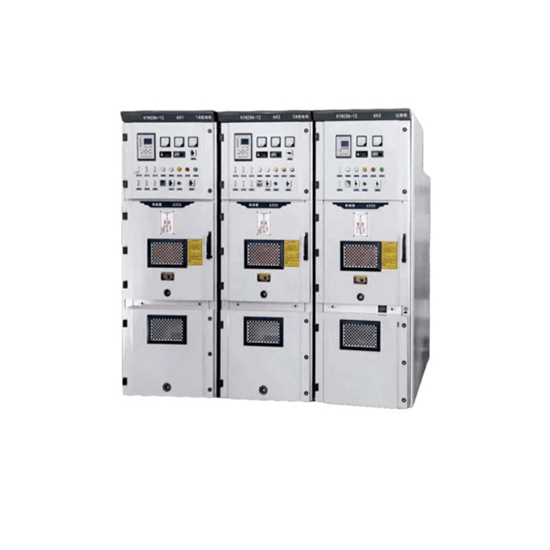
    Metal-Clad Switchgear is a medium voltage distribution device where all live components are separated by metal barriers. Each functional unit operates in an independent compartment, which reduces fault propagation and increases system stability.
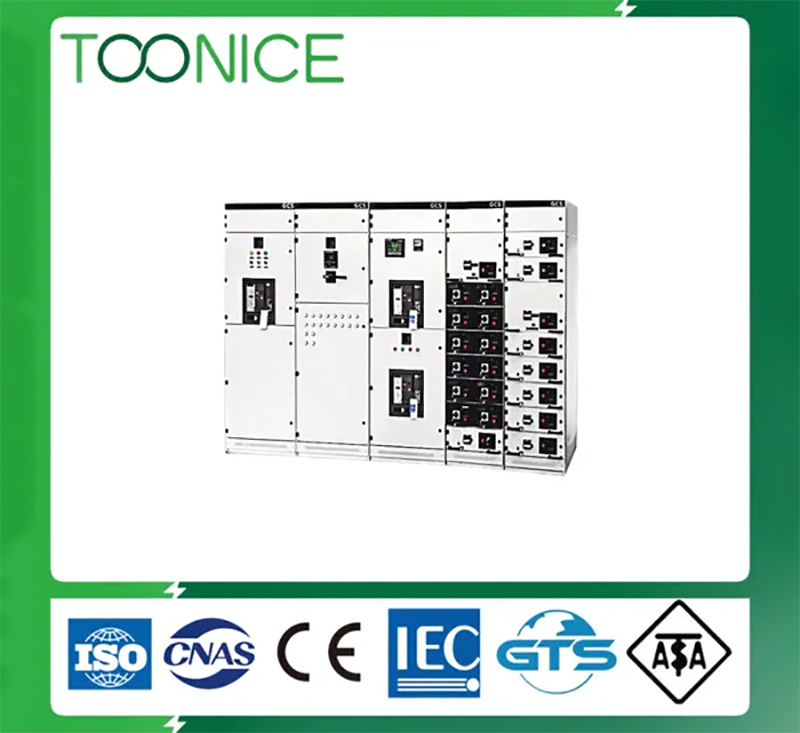
    Low Voltage Switchgear

    Compared with conventional switchgear, it provides higher reliability and stronger protection performance, making it widely used in modern electrical networks.

    Structure of Metal-Clad Switchgear

    Metal-Clad Switchgear is built on a modular compartment design that separates functions into independent sections. Each section supports a specific electrical task and works together to maintain stable operation.

    Circuit Breaker Unit

    The circuit breaker unit handles current interruption during normal switching operations and fault conditions. A withdrawable structure allows the breaker to be removed from the front side for maintenance without affecting the rest of the system. This design reduces downtime and simplifies service procedures.

    Busbar Compartment

    The busbar compartment distributes electrical energy across the system. Metal enclosure and insulation design reduce the risk of short circuits while supporting stable current transfer. The structure also improves mechanical strength under fault conditions.

    Cable Compartment

    The cable compartment connects external power sources and load circuits. It includes grounding switches and protective barriers that reduce the risk of incorrect operation and arc faults. The design also supports safe installation and inspection work.

    Instrument and Protection Unit

    This unit monitors electrical parameters such as voltage and current. It activates protective actions when abnormal conditions occur. The protection system disconnects faulty circuits quickly, which reduces equipment damage and limits system disturbance.

    Structure Summary Table

    Component Function
    Compartmental design Separates internal sections using metal barriers
    Withdrawable circuit breaker Allows front removal for maintenance
    Current transformer CT Measures current values
    Voltage transformer PT Measures and monitors voltage
    Busbar configuration Provides current transmission path and improves safety
    Heat dissipation design Improves thermal performance and mechanical strength

    Working Principle

    Metal-Clad Switchgear operates by controlling circuit connection and disconnection through circuit breakers. Current and voltage are continuously monitored by transformers.

    When a fault occurs, the protection system sends a trip signal to the circuit breaker, which disconnects the faulty circuit and maintains system stability during power distribution.

    Characteristics of Metal-Clad Switchgear

    The design focuses on stable operation, safety, and maintenance efficiency, which makes it suitable for complex electrical environments.

    • Metal compartments separate internal units and reduce arc propagation between sections. This structure limits fault impact and improves operational stability.
    • The circuit breaker can be removed without shutting down the entire system. This reduces maintenance interruptions and improves operational continuity.
    • The enclosure uses high strength metal materials combined with insulation systems. The equipment maintains stable performance under high load conditions and fault scenarios.
    • Each functional unit is independent. Maintenance work can be performed on a single module without disassembling the full system, which reduces service time.
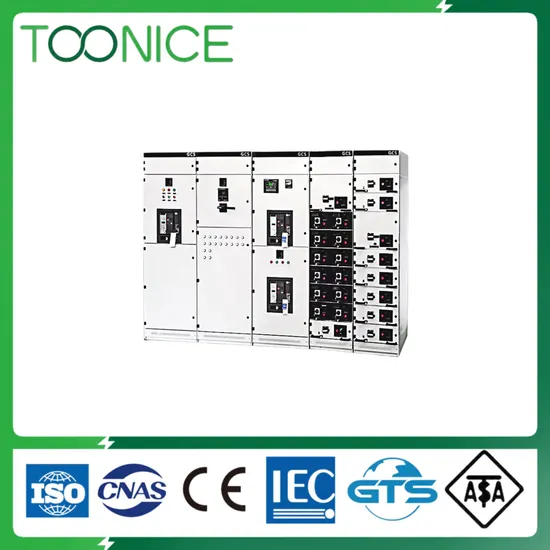
    Low Voltage Switchgear

    Low Voltage Switchgear

    Power distribution below 1 kV for buildings and light industry.

    Medium and High Voltage Metal-Clad Switchgear

    Medium and High Voltage Metal-Clad Switchgear

    Power distribution above 1 kV for substations and industrial systems.

    Types of Metal-Clad Switchgear

    Metal-Clad Switchgear can also be classified by rated voltage level. Each voltage class is designed for different distribution systems and insulation requirements, which affects its application range and structural design.

    Low Voltage Switchgear

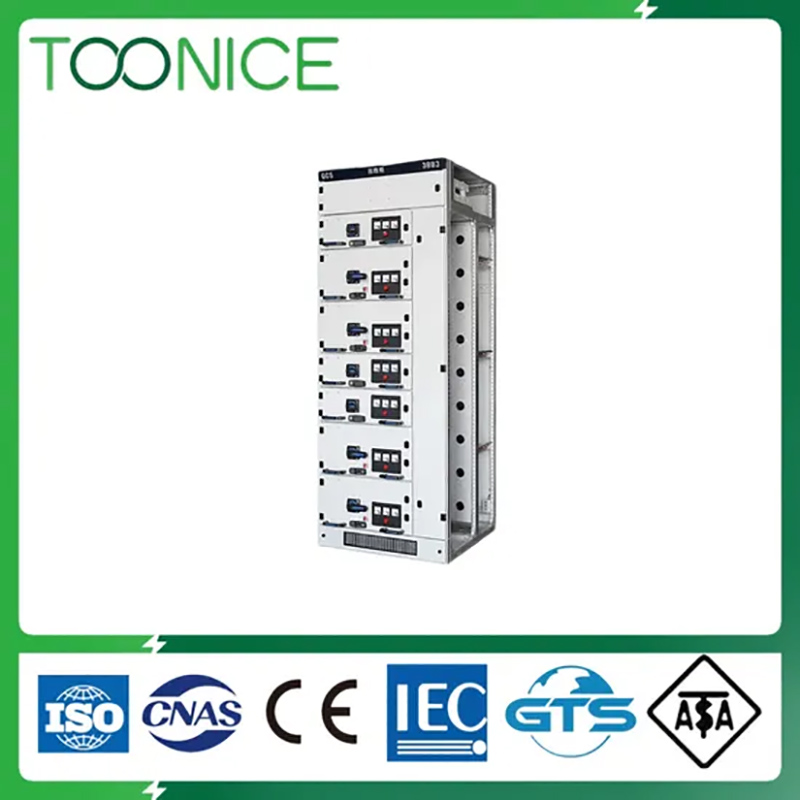
    Low voltage switchgear is used in power distribution systems below 1 kV. It is widely applied in residential buildings, commercial facilities, and light industrial systems. The design focuses on safe operation, simple structure, and efficient power distribution for end-user loads.

    7.2 kV Metal-Clad Switchgear

    7.2 kV Metal-Clad Switchgear is mainly used in low to medium voltage distribution systems. It is often applied in small industrial facilities, commercial buildings, and auxiliary power systems.

    The design focuses on compact structure and stable operation under relatively low fault levels. It is suitable for systems where space is limited and load demand is moderate.

    12 kV Metal-Clad Switchgear

    12 kV Metal-Clad Switchgear is one of the most commonly used voltage levels in distribution networks. It is widely applied in urban power grids, factories, and infrastructure systems.

    The system supports stable switching and protection functions under standard medium voltage conditions. It provides a balance between cost, reliability, and operational performance.

    24 kV Metal-Clad Switchgear

    24 kV Metal-Clad Switchgear is used in higher capacity distribution systems where power demand is greater. It is commonly installed in industrial zones, large commercial complexes, and regional substations.

    The insulation design is strengthened to handle higher electrical stress, which ensures stable operation under higher voltage conditions.

    36 kV Metal-Clad Switchgear

    36 kV Metal-Clad Switchgear is used in high medium voltage distribution systems. It is typically deployed in power plants, transmission substations, and heavy industrial applications.

    The structure includes reinforced insulation and higher short circuit withstand capability. It supports stable operation in environments with high load demand and complex grid conditions.

    The Applications of Metal-Clad Switchgear

    Metal-Clad Switchgear is used across power systems where stable distribution and fault protection are required.

    Power Plants and Substations

    It is used to control power transmission and distribution in generation and transmission systems. Protection systems isolate faults quickly and support stable grid operation.

    Industrial Power Distribution

    Industrial facilities use it to supply power to motors, production lines, and large equipment. It reduces downtime caused by electrical faults and supports continuous production.

    Data Center Power Systems

    Data centers rely on redundant configurations to ensure continuous power supply. The system supports rapid switching during faults and reduces the risk of service interruption.

    Urban Grid and Infrastructure

    It is widely used in urban distribution networks, transportation systems, airports, and hospitals. It limits fault impact and improves power supply stability.

    Selection and Design Considerations

    Proper selection and system design affect long term reliability and operational stability.

    Voltage Level Selection

    The rated voltage must match the distribution system requirements such as 10kV, 20kV, or 35kV. This ensures stable insulation performance during operation.

    Rated Current and Short Circuit Capacity

    Load conditions determine rated current requirements. The system must also handle maximum short circuit currents to ensure safe interruption during faults.

    Environmental Conditions and Installation

    Temperature, humidity, altitude, dust, and corrosion conditions must be considered. High altitude and harsh environments require enhanced insulation and protective design.

    Reliability and Scalability

    Systems should allow future expansion. Reserve capacity and modular design reduce future modification cost and support system upgrades.

    Operation Maintenance and Safety Considerations

    Proper maintenance and safe operation procedures improve equipment lifespan and reduce failure risk.

    Routine Inspection

    Inspection includes temperature monitoring, connection point checks, breaker status observation, and alarm signal verification. Abnormal conditions should be identified early.

    Common Faults and Handling

    Typical faults include overheating, poor contact, insulation aging, and gas leakage. Minor issues can be corrected on site, while severe faults require shutdown and professional repair.

    Safety Operation Rules

    Operators must be certified and follow electrical safety procedures. Energized operation on open compartments is prohibited. Isolation, grounding, and verification steps must be completed before work.

    Lifecycle Management

    Equipment should be managed through full lifecycle records. Periodic testing and condition evaluation support maintenance planning and replacement scheduling.

    Conclusion

    Metal-Clad Switchgear is widely used in modern electrical distribution systems. Its compartmentalized structure improves system stability and reduces fault spread. With continued development of digital power systems, it will remain widely applied in electrical infrastructure.

    Low Voltage Switchgear

    Toonice provides Metal-Clad Switchgear with stable quality and technical support. Visit the homepage for more information.

    FAQs

    Q1 What is Metal-Clad Switchgear?

    It is a medium voltage switchgear system that uses metal separated compartments for power control and protection.

    Q2 What is its main advantage?

    It improves safety through isolated internal compartments and controlled fault separation.

    Q3 Where is it used?

    It is used in power plants, substations, industrial systems, and data centers.

    Q4 What is the difference from metal-enclosed switchgear?

    Metal-Clad Switchgear separates all functional units into independent compartments for higher stability.

    Q5 Is it suitable for high voltage systems?

    It is mainly used in medium voltage distribution systems.

    Darwin Huang

    Darwin

    Technical Director & Overseas Project Consultant

    Darwin Huang has over 15 years of experience in electrical power distribution systems, specializing in switchgear, transformer projects, solar AC/DC protection solutions, and customized distribution cabinets. He oversees technical review and overseas project coordination, helping clients turn drawings and site requirements into practical, compliant, and cost-effective solutions.

    --- END ---

    return-top

      Need a quote for your project?

      Please fill out the form below and we'll contact you as soon as possible.

      Fields marked with an * are required

      Name *

      Email *

      Your Products *

      Your Country *

      Message *

      WeChat

      WeChat QR Code

      Scan to Chat

      Open WeChat and scan to connect