- Phone / WhatsApp:+86 157 0677 9792
- sales@toonice.com
-
English
How Does an Electrical Transformer Work and What Is Its Purpose?
Jun 05,2026
An electrical transformer is a device that increases or decreases voltage levels in power systems through electromagnetic induction. It helps reduce power loss, improve transmission efficiency, and deliver electricity at a suitable voltage for homes, businesses, and industrial equipment.
A transformer is usually made of a magnetic core, copper or aluminum windings, insulation materials, and a cooling system. This article explains what an electrical transformer is, what parts it includes, how it works, what types are available, and where it can be used.
Key Takeaways
- Electrical transformers transfer electrical energy between circuits through electromagnetic induction.
- They increase or decrease voltage levels to support efficient power transmission and safe power use.
- A transformer includes windings, a magnetic core, insulation materials, and a cooling system.
- Different transformer types are used in power grids, factories, buildings, renewable energy systems, and residential distribution networks.
What Is an Electrical Transformer?
An electrical transformer is a static electrical device that transfers electrical energy from one circuit to another through electromagnetic induction. It changes voltage levels while keeping the same operating frequency.
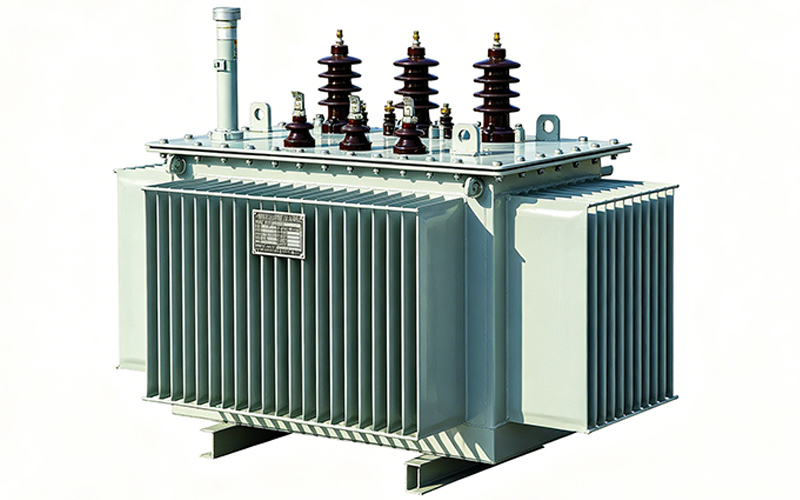
Transformers are widely used in power plants, substations, industrial facilities, commercial buildings, and residential power systems. Their main purpose is to help electricity move efficiently through transmission and distribution networks.
What Components Make Up an Electrical Transformer?
Magnetic Core
The magnetic core provides a path for magnetic flux inside the transformer. It is usually made from laminated silicon steel sheets, which help reduce energy loss caused by eddy currents and hysteresis. When the transformer operates, the core guides magnetic energy from the primary winding to the secondary winding.
A well designed magnetic core improves energy transfer, reduces heat buildup, and supports stable transformer performance. Since the core affects efficiency and temperature rise, its material quality and structure have a direct influence on the service life of the transformer.
Primary and Secondary Windings
The windings transfer electrical energy through electromagnetic induction. The primary winding receives electrical power from the input source, while the secondary winding delivers power to the connected load. These windings are usually made of copper or aluminum conductors because both materials conduct electricity well.
Each winding is insulated to prevent short circuits and electrical faults. The number of turns in the primary and secondary windings determines whether the transformer increases or decreases voltage. This winding ratio allows the transformer to match different voltage requirements in power systems.
Insulation System
The insulation system separates conductive parts inside the transformer and helps prevent electrical breakdown. It protects the windings, core, terminals, and other internal parts from unwanted electrical contact. Common insulation materials include transformer oil, insulation paper, pressboard, and synthetic materials.
Good insulation helps the transformer operate safely under different voltage and temperature conditions. It also reduces the risk of short circuits, overheating, and equipment damage. Since insulation ages over time, regular testing and maintenance help keep the transformer in stable operating condition.
Cooling System
The cooling system removes heat that is produced during transformer operation. Heat comes from winding resistance, core loss, and load changes, so temperature control affects both performance and service life. Different transformers may use natural air cooling, forced air cooling, oil cooling, or oil circulation systems.
A suitable cooling method keeps the internal temperature within the design range and slows insulation aging. When the cooling system works properly, the transformer can handle its rated load more safely and operate with lower risk of failure.
What Are the Main Features of Electrical Transformers?
High Energy Efficiency
Electrical transformers are designed to transfer power with low energy loss. Many modern transformers can reach very high efficiency levels when they operate under suitable load conditions.
By increasing voltage before long distance transmission, transformers reduce current and help lower line losses. By decreasing voltage near the point of use, they make electricity suitable for equipment and daily applications. This ability to adjust voltage supports stable grid operation and helps reduce energy waste across the power network.
Voltage Conversion Capability
A transformer changes voltage according to the needs of the electrical system. A step up transformer increases voltage for transmission over long distances, while a step down transformer reduces voltage for distribution and end use.
This voltage conversion allows electricity to move from power plants to substations, factories, buildings, and homes at suitable levels. Without voltage conversion, power transmission would face higher losses and many types of equipment would not receive the correct voltage for safe operation.
Reliable Long Term Operation
Transformers can operate for many years when they are properly selected, installed, and maintained. Since they have no moving mechanical parts, they usually experience less mechanical wear than rotating electrical equipment.
Their performance depends on insulation condition, cooling ability, load level, and the surrounding environment. Regular inspection can detect overheating, oil aging, loose connections, and insulation problems before they lead to failure. This long term reliability makes transformers widely used in power systems that require continuous electricity supply.
Wide Application Range
Transformers can be used in many electrical environments because they are available in different capacities, voltage ratings, cooling methods, and installation types. Small transformers may support electronic devices and control systems, while large transformers may serve substations and power transmission networks.
They are also used in renewable energy systems, transportation, manufacturing, commercial buildings, and residential power distribution. This wide application range allows transformers to meet different electrical requirements in both small scale and large scale systems.
What Is the Working Principle of an Electrical Transformer?
An electrical transformer works according to Faraday’s Law of Electromagnetic Induction. When alternating current flows through the primary winding, it creates a changing magnetic field in the magnetic core. This changing magnetic field induces voltage in the secondary winding.
The voltage change depends on the turn ratio between the primary winding and the secondary winding. If the secondary winding has more turns than the primary winding, the transformer increases voltage. If the secondary winding has fewer turns, the transformer decreases voltage.
Through this process, electrical energy is transferred between circuits without direct electrical contact.
What Types of Transformers Are Available?
Power Transformer
A power transformer is used in power plants, transmission networks, and high voltage substations. It changes voltage levels so electricity can be transmitted efficiently over long distances.
These transformers usually handle large power capacities and are designed to operate under heavy load conditions. Their structure often includes strong insulation, effective cooling, and high quality magnetic core materials. Power transformers are commonly used where voltage must be increased for transmission or reduced before entering regional distribution systems.
Distribution Transformer
A distribution transformer is used in local power distribution networks to supply electricity to homes, shops, offices, and small industrial users. It reduces medium voltage electricity to a lower voltage that can be used by end users. Distribution transformers usually operate continuously, even when the load changes throughout the day.
They are designed to provide stable voltage, low operating loss, and reliable service in outdoor or indoor installations. These transformers are common on utility poles, ground mounted pads, and distribution substations.
Dry Type Transformer
A dry type transformer uses air as the cooling medium and does not use insulating oil. It is often installed indoors in office buildings, hospitals, shopping centers, data rooms, factories, and public facilities. Since it has no oil, it reduces leakage concerns and offers better fire safety in enclosed spaces.
Dry type transformers usually require less routine oil related maintenance than oil filled models. Their compact structure and clean operation make them suitable for locations where safety, indoor installation, and environmental control matter.
Oil Immersed Transformer
An oil immersed transformer uses insulating oil for cooling and electrical insulation. The oil helps remove heat from the windings and core while also improving dielectric strength inside the transformer.
This type is commonly used in substations, power plants, industrial facilities, and outdoor distribution systems. It is suitable for higher capacity applications because oil transfers heat effectively.
To maintain safe operation, users should monitor oil temperature, oil level, moisture content, and insulation condition. Regular oil testing helps detect aging or internal faults early.
Safety Precautions When Using Transformers
- Make sure the transformer is properly grounded before operation.
- Follow the rated voltage, current, and load limits given by the manufacturer.
- Check insulation, cables, terminals, and connections regularly.
- Keep the transformer away from moisture, heavy dust, and corrosive environments.
- Monitor operating temperature and cooling system condition.
- Disconnect power before maintenance or inspection.
- Use proper personal protective equipment when working near energized equipment.
- Arrange regular testing to find early signs of faults.
Where Can Transformers Be Used?
Power Generation and Transmission Systems
Transformers are widely used in power generation and transmission systems. In power plants, step up transformers increase the generated voltage so electricity can travel over long distances with lower line loss.
In transmission substations, transformers adjust voltage levels for regional power delivery. In distribution substations, they reduce voltage before electricity enters local networks. This voltage control helps maintain stable power supply and improves the efficiency of large electrical grids.
Industrial Facilities
Industrial facilities use transformers to supply suitable voltage for motors, machines, production lines, control panels, and automation systems. Many factories require voltage levels that differ from the utility supply, so transformers help match power conditions with equipment requirements.
They also support stable operation when loads change during production. In manufacturing environments, a properly selected transformer can reduce equipment stress, improve electrical safety, and support continuous operation. Transformers are common in steel plants, chemical plants, workshops, and processing facilities.
Commercial Buildings
Commercial buildings use transformers to distribute electricity to lighting systems, elevators, HVAC systems, office equipment, security systems, and other electrical loads. Utility power may need to be reduced or adjusted before it can be used safely inside the building.
Transformers help provide stable voltage to different areas of a commercial facility. They are commonly installed in office towers, shopping malls, hotels, hospitals, schools, and data centers. Their operation supports daily building services and helps reduce the risk of voltage related equipment problems.
Renewable Energy Systems
Renewable energy systems use transformers to connect solar farms, wind farms, and other generation sources to the power grid. The electricity produced by renewable equipment often needs voltage adjustment before transmission or grid connection. Transformers match the output voltage of inverters or generators with the required grid voltage.
This helps renewable energy enter the power network safely and efficiently. As solar and wind projects grow, transformers continue to support power conversion, grid connection, and energy delivery.
Residential Power Distribution
Residential power distribution systems use transformers to deliver safe voltage levels to homes and communities. Local distribution transformers reduce medium voltage electricity from power lines to lower voltage levels used by household appliances, lighting, heating systems, and electronic devices.
These transformers often operate continuously and must handle daily changes in residential electricity demand. They are commonly installed on poles, in pad mounted cabinets, or near residential areas. Their stable operation allows households to receive usable electricity for daily life.

Conclusion
Electrical transformers transfer electrical energy through electromagnetic induction and change voltage levels for different applications. They support power generation, transmission, distribution, industrial production, commercial buildings, renewable energy systems, and residential electricity supply.
Understanding transformer components, working principles, types, and safety requirements helps users select, operate, and maintain transformers more effectively.

--- END ---

MV & LV Equipment Manufacturer · Wenzhou, China
COMPANY
PRODUCTS
INDUSTRIES