- Phone / WhatsApp:+86 157 0677 9792
- sales@toonice.com
-
English
Single-phase Oil Immersed Transformer
Single-phase Oil Immersed Transformer
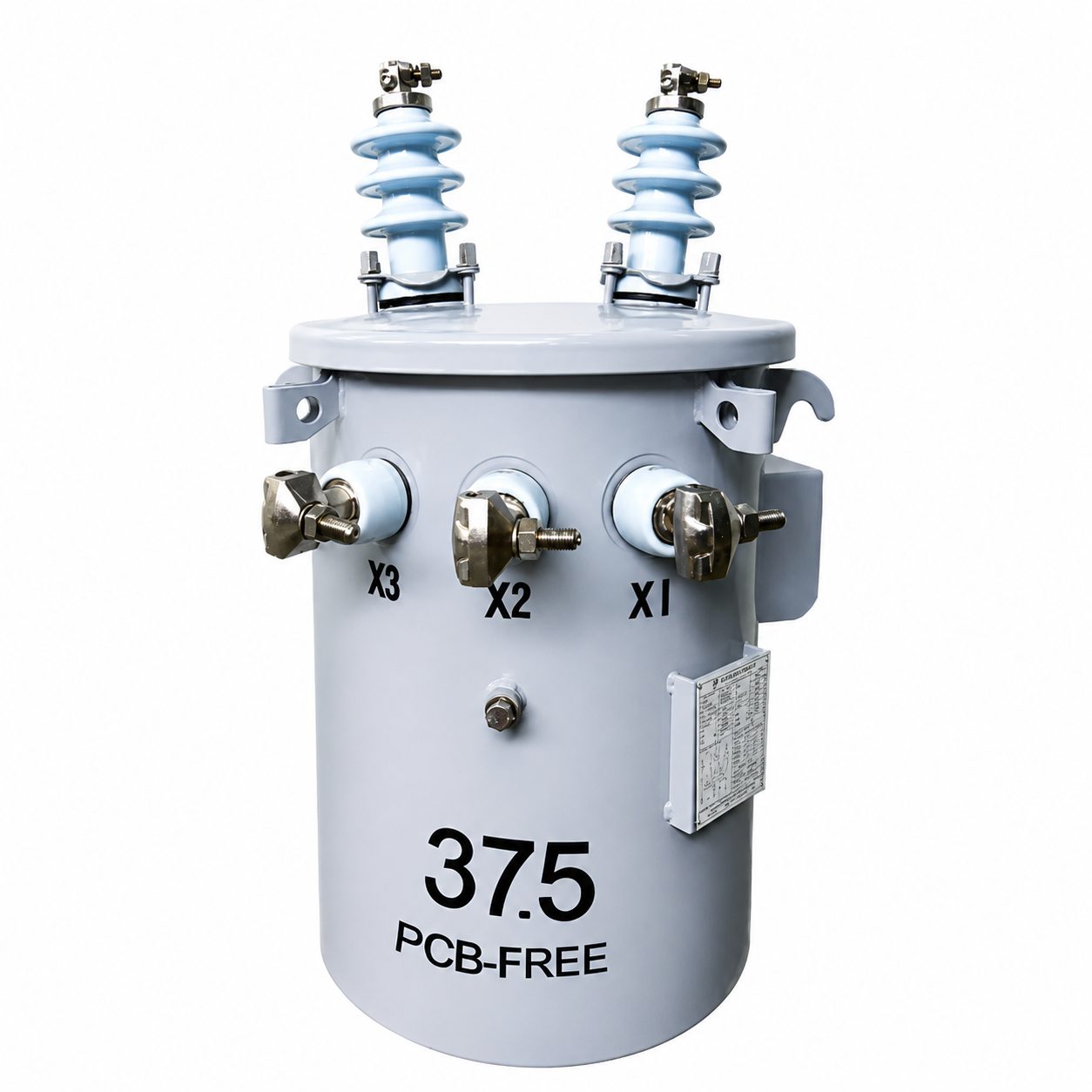
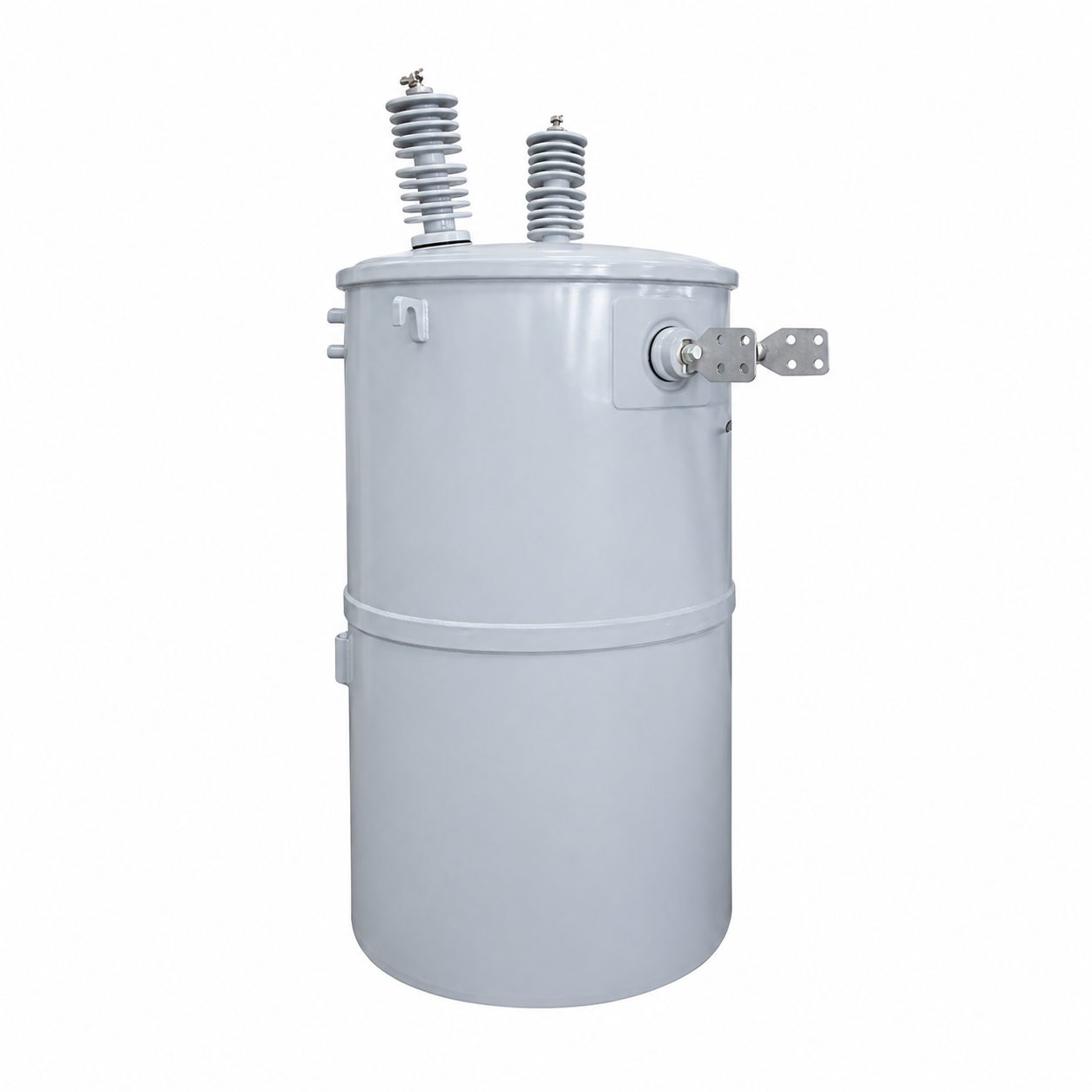
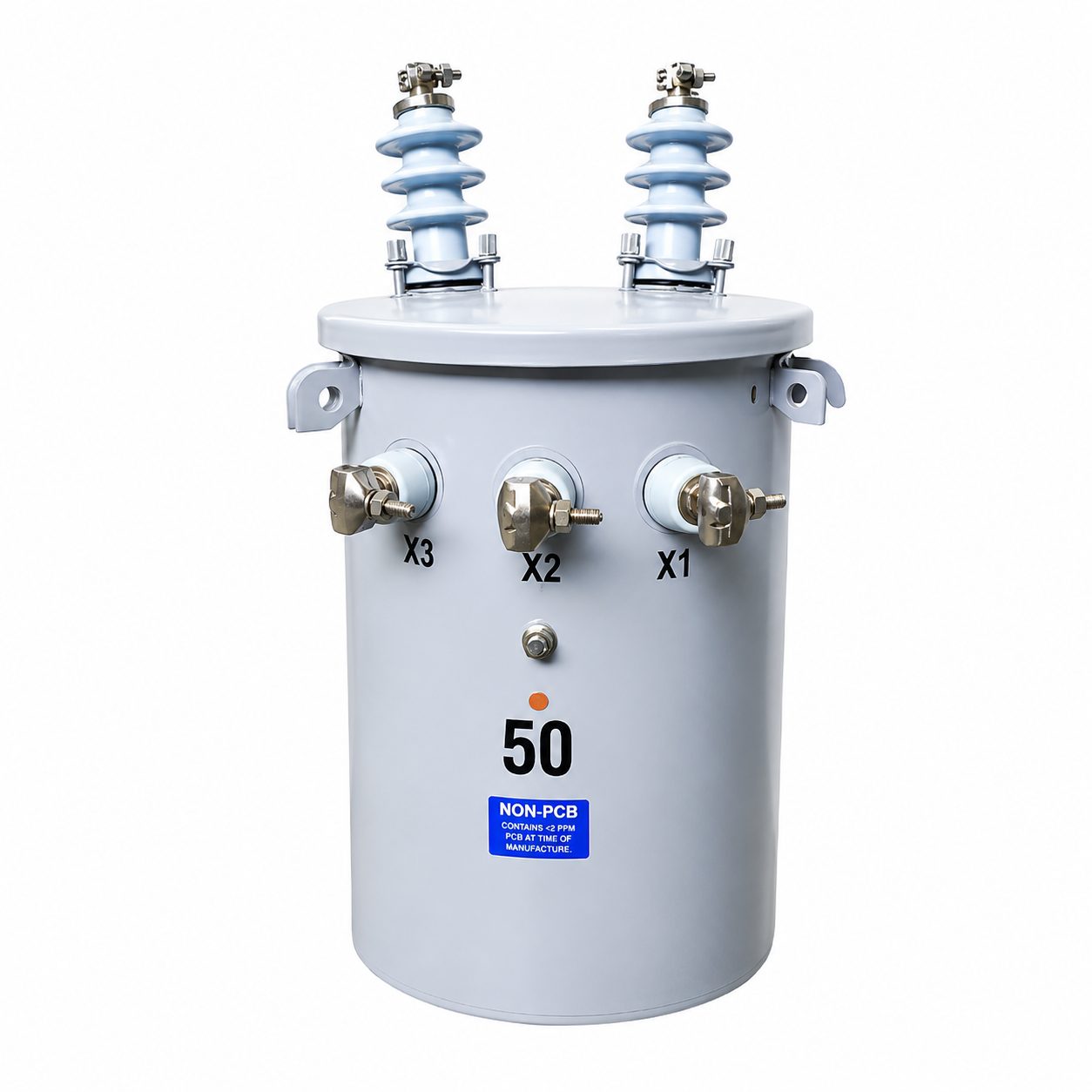
A single-phase transformer is a small distribution equipment that uses single-phase AC power as its working power source and achieves voltage rise and fall and energy conversion through electromagnetic induction principle. It is mainly used in single-phase power supply scenarios and has become the preferred distribution equipment for single-phase power consumption scenarios such as civilian, small industrial, and precision equipment due to its simple structure, compact size, and low energy consumption.
Its core structure consists of iron core, single-phase winding, insulation components, wiring terminals, cooling devices (mainly air cooling), etc. The voltage level mainly covers the medium and low voltage fields of 220V-10kV, and the capacity can be flexibly customized from hundreds of VA to tens of kVA. It is widely used in residential electricity, small equipment power supply, precision instrument matching and other scenarios. It is a key equipment in modern low-voltage distribution systems that adapts to single-phase electricity demand and combines practicality and economy.

Features


1. Simple structure and reliable operation:
Compared with three-phase transformers, there is no need for complex symmetrical design of three-phase windings. The core components are only composed of single-phase iron cores and windings, with a small number of parts and extremely low failure rates. The stability during operation is strong, and it can adapt to long-term continuous work needs, effectively reducing the inconvenience caused by fault shutdown and meeting the stable power supply needs of small power consumption scenarios.
2. Compact size and easy installation:
The overall structure is compact and lightweight, with a volume reduction of 40% -60% compared to three-phase transformers of the same capacity. It does not require too much installation space and can be directly installed on indoor walls, next to equipment, or in small distribution boxes. The transportation and installation process is simple, without the need for professional large equipment assistance, greatly reducing installation costs and site requirements.
3. Extremely low energy consumption and outstanding economy:
using high-quality and low loss silicon steel sheets and efficient winding technology, the no-load and load losses are much lower than industry standards, and the daily energy consumption is low. Long term use can significantly save electricity costs; At the same time, the manufacturing cost of the equipment is low, the cost-effectiveness is high, and it is suitable for the economic needs of small power consumption scenarios, without the need to invest excessively in procurement costs.
4. Strong adaptability and flexible scenarios:
Voltage and capacity can be flexibly customized according to users’ single-phase electricity needs, which can adapt to 220V civilian low-voltage scenarios and meet the specific voltage requirements of small industrial equipment and precision instruments; Can be paired with dry insulation packaging to achieve oil-free and low-noise operation, suitable for various installation environments such as indoor and small computer rooms, with strong versatility.
5. Easy operation and maintenance, controllable cost:
With a simple structure and few components, daily maintenance does not require complex operations. It only requires regular inspection of wiring terminals, cleaning of surface dust, and checking of insulation conditions, without the need for professional operation and maintenance personnel or complex testing equipment, resulting in extremely low operation and maintenance costs; Under normal use, the service life can reach 15-20 years, and the long-term use cost is controllable.
If you need to know the specific technical parameters of single-phase transformers (such as rated capacity, rated voltage, short-circuit impedance, loss value, insulation level, etc.), customized solutions, product quotations, installation and commissioning processes, and after-sales support services, you can contact our professional technical consultants. We will provide one-on-one technical support and personalized solutions based on your actual application scenarios (such as residential electricity, precision equipment matching, etc.), and can also provide product testing reports, qualification certificates, and other related documents.
Power Distribution Solutions for Your Project
Tell us your requirements and our team will recommend the right product solution for your project.
- Factory Direct Supply
- OEM / ODM Support
- Fast Response
Request A Quote
Tell us your basic requirements, and our team will get back to you with the suitable recommendation.
Specification
| Capacity (kVA) | Primary voltage (V) | Secondary voltage (V) | Amorphous core Loss (W) | CRGO core Loss (V) |
| 3 | 13800/7967 or 13200/7620 or 11000/6350 or 12470/7200 or others |
120/240/480 or 120-240/240-480 |
8/45 | 9/45 |
| 5 | 8/75 | 19/75 | ||
| 10 | 12/120 | 36/120 | ||
| 15 | 15/195 | 50/195 | ||
| 25 | 18/290 | 80/290 | ||
| 37.5 | 30/360 | 105/360 | ||
| 50 | 32/500 | 135/500 | ||
| 75 | 45/650 | 190/650 | ||
| 100 | 50/850 | 210/850 | ||
| 167 | 65/1410 | 350/1410 |
Download
Related Products


FAQs
Do single-phase transformers need regular maintenance during daily operation?
Requires simple regular maintenance without complex operations. Check whether the wiring terminals are loose and whether there is dust accumulation on the surface of the equipment every 3-6 months to avoid dust affecting heat dissipation or poor contact; Check the insulation performance once a year to ensure no damage or aging, without the need for professional testing equipment, resulting in extremely low maintenance costs.
What are the core differences between single-phase transformers and three-phase transformers?
The core difference lies in the power supply method and adaptation scenario: single-phase transformers use single-phase AC power, with a simple structure and small size, suitable for single-phase power consumption scenarios such as residents and small equipment, and have a smaller capacity; The three-phase transformer adopts three-phase AC power, with a complex structure and large capacity, suitable for three-phase power consumption scenarios such as factories and power grids, and can meet the high load power supply needs of large equipment. The two are complementary in their application scenarios and cannot be replaced by each other.
What could be the possible cause of severe heating during the operation of a single-phase transformer?
There are four common reasons: ① Overloading, operating beyond the rated capacity of the transformer; ② Excessive dust on the surface of the equipment, poor ventilation, and poor heat dissipation; ③ Loose wiring terminals and poor contact lead to local heating; ④ The insulation aging or short circuit of the winding leads to increased losses and severe heating. When a fever occurs, immediately cut off the power, reduce the load, clean the dust, and check the wiring. If the problem is not solved, contact professional personnel for maintenance.
What are the requirements for the installation environment when installing a single-phase transformer?
The installation environment should meet three requirements: ① Priority should be given to selecting a dry, ventilated, dust-free, and moisture free area to avoid insulation performance degradation caused by moisture; ② The installation location should be far away from flammable and explosive materials, strong electromagnetic interference, and vibration sources to prevent equipment damage or malfunction; ③ Indoor installation requires a small amount of maintenance space to be reserved, while outdoor installation requires rain, dust, and collision protection to avoid exposure to sunlight and rain that may affect equipment lifespan.
What is the usual warranty period for single-phase transformers? What after-sales guarantees are provided during the warranty period?
The regular product warranty period is 1-2 years (can be extended according to the contract agreement); During the warranty period, if the equipment malfunctions due to its own quality problems (non-human damage, force majeure), our company will provide free maintenance and replacement of faulty parts services, and arrange professional personnel to provide remote or on-site guidance to ensure the equipment quickly resumes operation; In addition, free technical consultation and installation guidance services are also provided.
Related Applications

Residential and civilian fields: This is the most core application scenario of single-phase transformers, mainly used for power distribution adaptation in residential buildings, apartments, villas and other civilian buildings. For example, in residential areas, the 10kV high-voltage electricity transmitted by the power grid needs to be further converted into 220V single-phase AC power through a single-phase transformer after being stepped down by a three-phase transformer, and supplied to various household appliances such as televisions, air conditioners, refrigerators, washing machines, etc. in residents’ homes; For remote rural areas, standalone villas, and other areas with concentrated single-phase electricity consumption, single-phase transformers can be directly installed to adapt the low-voltage power of the power grid to household electricity, ensuring the stability of residents’ daily electricity consumption and avoiding voltage instability that can cause damage to household appliances.
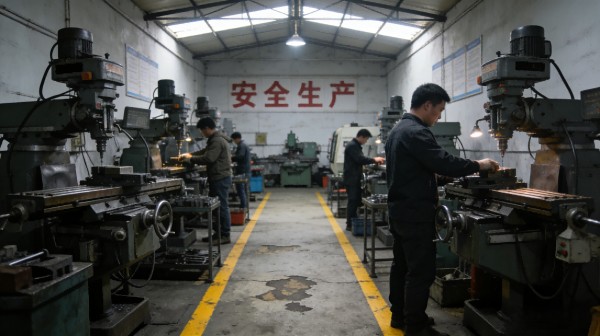
Small scale industrial and handicraft fields: Suitable for small production scenarios such as small factories, workshops, and individual businesses, used for power supply of small single-phase production equipment. For example, in clothing processing factories and small food workshops, the sewing machines, small packaging machines, mixers, and other equipment used in the production process are single-phase electrical devices. Single phase transformers can convert the 380V three-phase electricity input from the power grid into 220V single-phase electricity, or customize specific voltages according to equipment requirements to provide stable power supply for various small production equipment; Its compact size allows for direct installation in workshop corners or distribution boxes, without occupying production space. At the same time, its low energy consumption can reduce electricity costs in small-scale production scenarios.

Precision instruments and office equipment supporting field: widely used in laboratories, office buildings, and small office spaces, providing stable single-phase power supply support for precision instruments and office equipment. For example, in the laboratory, various detection instruments and experimental equipment require extremely high voltage stability. Single phase transformers can convert the conventional voltage of the power grid into the precise voltage required by the instruments, reducing the impact of voltage fluctuations on experimental data. At the same time, their low noise and non-interference characteristics can adapt to the harsh environment of the laboratory; In small office spaces, provide power to office equipment such as computers, printers, copiers, etc. to ensure the normal operation of office equipment and avoid equipment failure or data loss caused by unstable voltage.

In the field of new energy and small-scale energy storage: adapting to the energy conversion needs of small-scale photovoltaic, wind power projects, household energy storage systems, and small-scale charging piles. For example, in a household photovoltaic system, the direct current generated by photovoltaic modules is converted into single-phase alternating current by an inverter, and then adapted into household voltage through a single-phase transformer for home use or integration into the power grid; In household energy storage systems, single-phase transformers can achieve voltage matching between energy storage batteries and household electricity, ensuring stable power supply to the energy storage system; In small charging stations (such as household charging stations), stable single-phase power supply is provided for the charging stations to achieve safe charging of electric vehicles and adapt to household and small public charging scenarios.

In the field of municipal and small infrastructure: it is applied to the power supply of small infrastructure such as urban street lights, small monitoring equipment, and rural water conservancy irrigation (small water pumps). For example, in the urban streetlight system, each streetlight is a single-phase electrical device. The single-phase transformer can convert the grid voltage into the rated voltage required by the streetlights, ensuring stable lighting at night. Its compact size can be directly installed next to the streetlight pole or in the distribution box without occupying too much space; In rural small-scale water conservancy irrigation scenarios, supplying power to small single-phase water pumps to achieve farmland irrigation, adapting to rural single-phase electricity consumption scenarios, and ensuring smooth irrigation work.

MV & LV Equipment Manufacturer · Wenzhou, China
COMPANY
PRODUCTS
INDUSTRIES