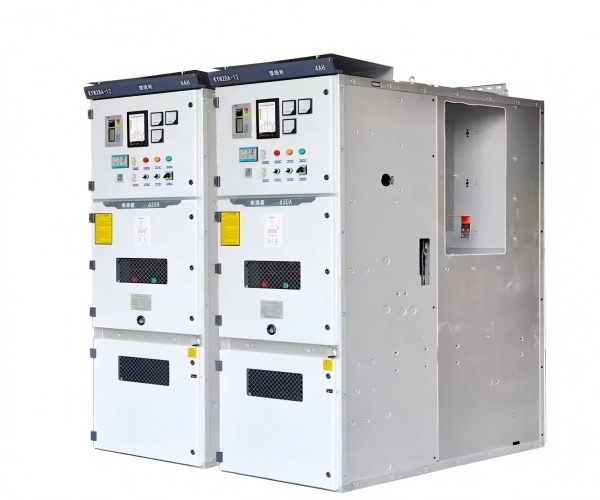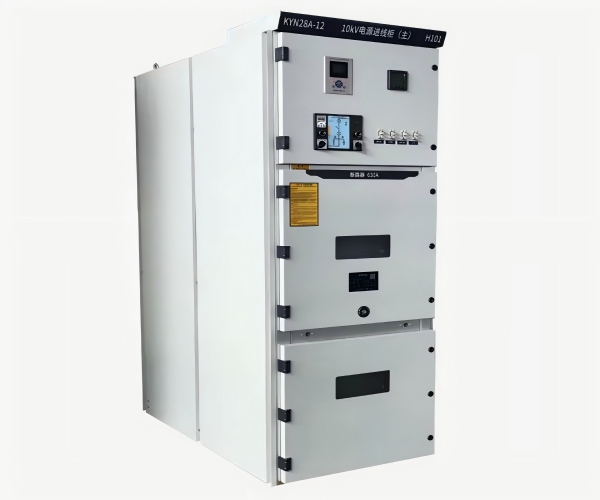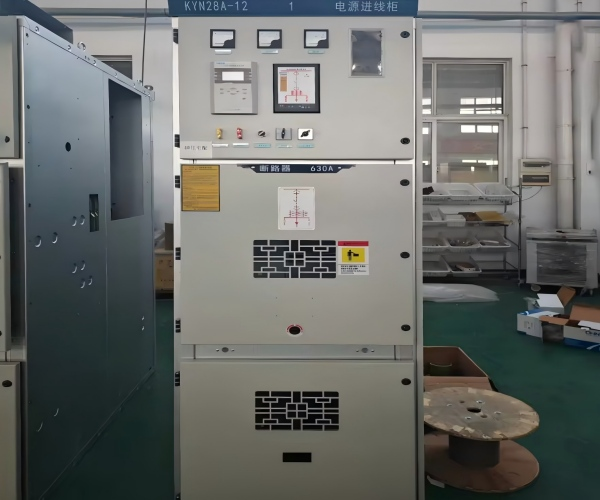
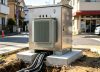
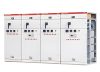
Medium voltage switchgear refers to electrical equipment that controls, protects, and isolates circuits operating at medium voltage levels in power systems.
It is built with metal-enclosed structures, vacuum circuit breakers, and insulated components so that it can operate under electrical stress while maintaining stable performance. It is used in distribution networks, industrial facilities, and power infrastructure systems.
This article explains what medium voltage switchgear is, how voltage ranges are defined, its characteristics, where it is applied, how it is installed and maintained, and what types exist based on function.
Key Takeaways
- Medium voltage switchgear operates within defined voltage levels in power systems
- It supports circuit switching, protection, and isolation functions
- It is applied in industrial systems, utility networks, and energy infrastructure
- It includes different functional types based on system design
What is medium voltage switchgear
Medium voltage switchgear refers to electrical equipment that operates in systems where voltage levels sit between low voltage distribution and high voltage transmission. It manages electrical power flow, separates faulty sections, and controls circuit switching under different operating conditions.
It is commonly installed in substations, industrial plants, and renewable energy facilities where stable distribution across multiple loads is required.
Types of medium voltage switchgear by function
Circuit breaker based switchgear
Circuit breaker based switchgear uses vacuum or gas circuit breakers to interrupt fault currents. It is applied in systems where fast fault clearing is required so that electrical damage can be limited.
When abnormal current conditions are detected, the system disconnects the circuit automatically, which helps maintain stability in connected equipment.
Load break switchgear
Load break switchgear is designed for switching electrical loads under normal operating conditions. It does not operate under high fault current conditions but allows controlled switching between circuits during routine operation.
It is commonly used in distribution systems where load configuration changes are required during operation.
Protection and isolation switchgear
Protection and isolation switchgear combines switching control with system isolation functions. It is used to separate sections of a power system so that maintenance or fault handling can be performed safely.
The design allows operators to access equipment while other sections of the system remain in operation, which supports flexible system management in complex networks.