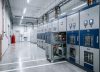
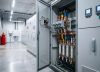
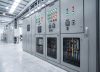
A substation is one of the main parts of a power system that is used to step up, step down, distribute, and control electrical energy so that electricity can be delivered safely and steadily to cities, factories, and homes.
Whether people use electricity for daily lighting or industrial production, substations support the entire power supply system. This article explains the structure of a substation and how it works.
Key Takeaways
✔ A substation is a facility that changes voltage levels and distributes electricity throughout the power system.
✔ Substations help electricity travel long distances efficiently by using step-up and step-down voltage transformation.
✔ The main equipment inside a substation includes transformers, switchgear, and control systems.
✔ Transformers adjust voltage levels so that electricity can be transmitted and used safely.
✔ Switchgear protects electrical equipment and isolates faulty sections during abnormal conditions.
✔ Control systems monitor substation operations and improve the stability of the power grid through automation.
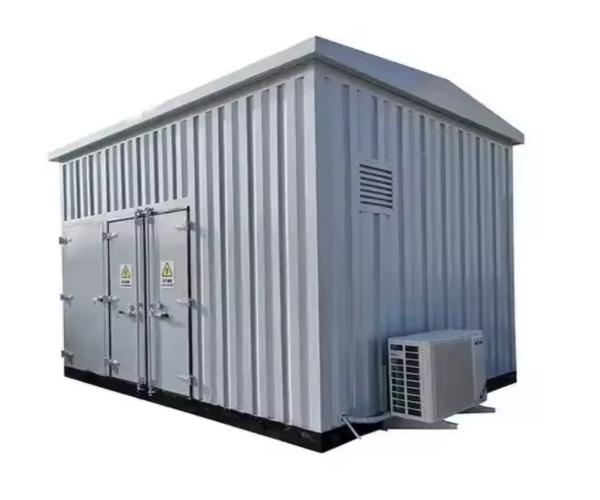
Compact and reliable box type substation designed for efficient power distribution in commercial and industrial applications.
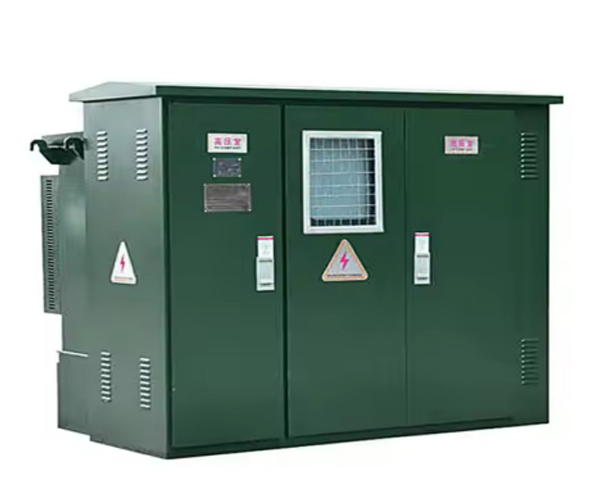
ANSI-standard American type substation with compact structure, safe operation, and stable power transmission performance.
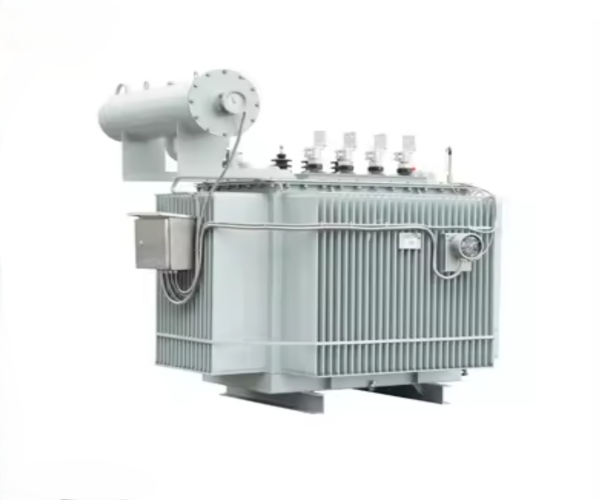
High-efficiency oil-immersed transformer featuring excellent cooling performance, low loss, and reliable long-term operation.
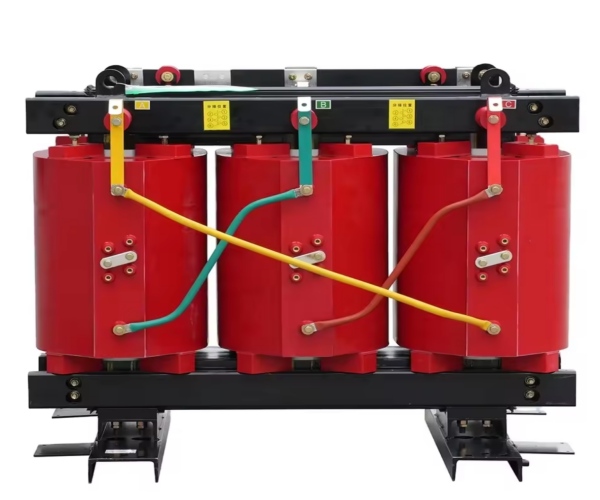
Environmentally friendly dry type transformer with safe insulation design, low maintenance requirements, and stable indoor power distribution performance.
What Is a Substation?
A substation is a facility that is used to change voltage levels, distribute electrical power, and control the transmission of electricity. It is usually equipped with transformers, switchgear, protection systems, and control devices, which allow electrical energy generated by power plants to be stepped up for long distance transmission or stepped down near users so that different electrical devices can operate properly. In simple terms, a substation acts as a transfer center through which electricity can be transmitted more efficiently and safely.
How Does a Substation Work?
Why Does Electricity Need Voltage Transformation?
Electricity needs voltage transformation during transmission because different applications require different voltage levels. If electricity generated by a power plant is transmitted directly over a long distance, large energy losses will occur along the transmission lines.
For this reason, the voltage is increased first while the current is reduced so that power loss can be minimized. After electricity reaches cities or areas near users, substations reduce the voltage to levels that are suitable for homes and industrial equipment.
Through this process, transmission efficiency is improved while the stability and safety of the power grid are also maintained, which makes substations highly valuable in modern power systems.
The Difference Between Step Up and Step Down Voltage
Step-up and step-down voltage operations are the two main working methods used in substations, and each serves a different stage of the power supply process.
Step-up substations are usually located near power plants where the voltage is increased so that energy loss during long-distance transmission can be reduced.
Step-down substations are generally located near cities, factories, and residential areas where high-voltage electricity is converted into safer voltage levels that electrical equipment and households can use.
In simple terms, step-up voltage supports long-distance transmission while step-down voltage supports safe electricity usage, and both processes help the power system operate steadily.
The Basic Process of Power Transmission
Electricity passes through several stages before it reaches end users, and substations connect these stages together through voltage conversion and power distribution. First, electricity is generated at a power plant and then sent to a step up substation where the voltage is increased.
After that, high voltage transmission lines carry electricity across long distances. When electricity arrives in cities or industrial areas, it enters a step down substation where the voltage is gradually reduced.
Finally, the distribution system delivers electricity to homes, shopping centers, and factories. Through this complete transmission process, substations support the operation of the entire power network.
Main Equipment Inside a Substation
Transformer
A transformer is one of the main devices inside a substation because it changes voltage levels according to transmission and usage requirements. By using electromagnetic induction, transformers can convert high voltage into low voltage or increase low voltage into higher voltage levels.
Transformers help improve transmission efficiency while reducing line losses, which allows the power grid to operate more effectively.
Large substations are usually equipped with multiple transformers so that stable power supply can still be maintained if one unit develops a fault. Through this arrangement, the influence of power outages can be reduced.
Switchgear
Switchgear is used in substations to control, protect, and isolate electrical equipment during normal operation and fault conditions. It usually includes circuit breakers, disconnect switches, and protective devices that work together to maintain the safe operation of the power system.
When electrical faults such as overloads or short circuits occur, switchgear can quickly disconnect the affected section so that damage to equipment can be minimized.
During maintenance work, switchgear also allows operators to isolate equipment safely from the power supply. Through these functions, switchgear helps substations maintain stable and reliable electrical transmission.
Control System
The control system is responsible for monitoring and managing the operation of substation equipment so that the power system can run steadily and efficiently.
Modern substations are usually equipped with automated control systems that collect real time operating data from transformers, switchgear, and transmission lines. If abnormal conditions are detected, the system can send alarms or perform automatic control actions to reduce the possibility of large scale failures.
Many modern substations also use intelligent digital control technology, which allows remote monitoring and operation. Through these systems, operators can improve management efficiency while supporting the stable operation of the power grid.
Types of Substations
Step Up Substation
A step up substation is usually built near a power plant where low voltage electricity generated by generators is increased into high voltage electricity for long distance transmission.
Since higher voltage reduces transmission current, line losses can also be reduced during electricity transmission. Large thermal power plants, hydroelectric stations, and wind farms are commonly equipped with step up substations so that electricity can be transmitted more efficiently to different regions.
Through the voltage increase process, electrical power can be delivered steadily to cities and industrial facilities.
Step Down Substation
A step-down substation is used to convert high-voltage electricity into lower voltage levels that are suitable for users and electrical equipment. Although high voltage electricity is effective for long-distance transmission, it cannot be used directly in homes or standard industrial systems.
For this reason, step-down substations are commonly installed near residential areas, commercial districts, and factories. After voltage reduction is completed, electricity enters the distribution network and is delivered to end users. Because of this function, step-down substations support the operation of urban power supply systems.
Distribution Substation
A distribution substation is located close to end users and is mainly responsible for distributing electricity to different areas and consumers. These substations are often found near residential communities, industrial parks, and commercial centers where voltage is further reduced so that homes and small businesses can receive stable electrical power.
Compared with large transmission substations, distribution substations are smaller in scale but greater in quantity, which means they are closely connected to daily life. The stable operation of distribution substations directly affects the reliability of electricity used by residents and businesses.
Are Substations Safe?
Substations are designed and constructed according to strict electrical safety standards, which allows them to operate safely and reliably under normal conditions. Most substations are equipped with fences, warning signs, and protection systems that prevent people from entering dangerous areas.
In addition, electrical equipment is inspected and maintained regularly so that stable long-term operation can be ensured.
Some people are concerned about electromagnetic radiation produced by substations, but the electromagnetic environment of properly operating substations is generally kept within approved safety standards and does not usually affect daily life.
As long as people maintain a reasonable distance and follow safety regulations, substations are considered safe facilities.
Conclusion
Substations are a part of modern power systems because they handle voltage transformation, power transmission, power distribution, and equipment protection.
Both urban electricity supply and industrial production depend on substations for stable operation. As smart grid technology continues to develop, substations are also becoming more automated and intelligent so that power systems can provide more stable and efficient electrical services in the future.
Toonice provides substations with excellent performance. If you are interested, please visit the homepage for more information.
FAQs
Q What is the main function of a substation?
It changes voltage levels and distributes electricity so that power can be transmitted steadily.
Q Why is electricity transmitted at high voltage?
High voltage transmission reduces line losses and improves transmission efficiency.
Q Do substations produce radiation?
They produce a small amount of electromagnetic radiation, but it is generally kept within approved safety standards.
Q Why do substations make noise?
The sound mainly comes from electromagnetic vibration generated by transformers during operation.
Q Are substations near residential areas safe?
Substations that are built according to safety standards generally do not affect normal daily life.