- Telephone: +86-139-8977-9778
- Email: jack@toonice.com
- English

What Is A Switchgear?
Feb 25,2026
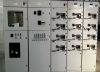
The reliable operation of a power system is inseparable from switchgear. It is a metal-enclosed assembly of electrical equipment used to control, protect, isolate, and distribute electrical energy. From factory workshops to subway tunnels, from hospital operating rooms to data center server rooms, switchgear acts as the “safety hub” of the power system, silently safeguarding the safe flow of current.
The Core Functions of Switch Cabinets
Switchgear is the core power distribution equipment in a power system, possessing four main functions. These four functions work together to form the cornerstone of the safe, stable, and intelligent operation of the power system.
Control Function: It enables manual/automatic start/stop of equipment via circuit breakers or contactors, supports remote operation and intelligent interlocking, and serves as the execution terminal for distribution automation.
Protection Function: In the event of faults such as short circuits, overloads, or grounding, it quickly cuts off the current to prevent equipment damage and fires. High-end systems are also equipped with millisecond-level arc fault protection.
Isolation Function: Through disconnecting switches or removable structures, a visible break point is formed, ensuring complete power disconnection during maintenance and protecting personnel safety.
Monitoring and Metering: It integrates current transformers, smart meters, and communication modules to collect real-time data on voltage, current, and energy, supporting energy management and remote monitoring.
Main Components of Switch Cabinet
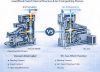
Switchgear consists of multiple key components working together to form a safe, reliable, and intelligent power distribution unit. Its core components include:
- Circuit breaker (for control and protection)
- Disconnecting switch (providing a visible break point)
- Fuse (for quickly interrupting short-circuit current)
- Busbar (main current conduction path)
- Relay protection device (for fault identification and logic judgment).
Furthermore, the enclosed metal enclosure and compartmentalized structure ensure functional zoning and personnel safety, while auxiliary components such as indicator lights, buttons, control power transformers, and communication modules support local operation and intelligent management. These highly integrated components collectively endow the switchgear with powerful operation, protection, and monitoring capabilities.
The various components of the switchgear work together to achieve on/off control, fault protection, electrical isolation, and operational monitoring, forming a compact, safe, reliable, intelligent, and efficient power distribution unit, which is a critical infrastructure of modern power systems.
Types of Switch Cabinets
Classified by Voltage Level
| Voltage Class | Voltage Range (Nominal System Voltage) | Common Term | Example Switchgear |
| Low-Voltage Switchgear | ≤ 1 kV (typically 400 V / 690 V) | GGD、GCS、MNS |  |
| Medium-Voltage Switchgear | > 1 kV 且 ≤ 35 kV ommon: 6 kV, 10 kV, 20 kV, 35 kV) |
KYN28、XGN、HXGN |  |
| High-Voltage Switchgear | 6KV-35KV | GIS、AIS Switchgear |  |
Classification by insulation method
| Item | Low-Voltage Switchgear | Medium-Voltage Switchgear | High-Voltage Switchgear / HV Equipment |
| Insulation Medium | Air | Air / SF₆ / solid insulation (varies by design) | SF₆ (GIS) or air (AIS) |
| Typical Voltage Range | ≤ 1 kV | 6–10 kV | 10–35 kV (often treated as MV in U.S. practice) |
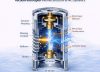
| Core Switching Device | ACB / MCCB | Vacuum circuit breaker (VCB) | SF₆ circuit breaker / GIS modules |
| Where It’s Used in the System | End-use / final distribution | Distribution substations | Transmission-class substations |
| Level of “Smart” Features | High (smart power distribution) | High (protective relays + communications) | Very high (digital substation applications) |
Key Safety Features:Arc-Resistant
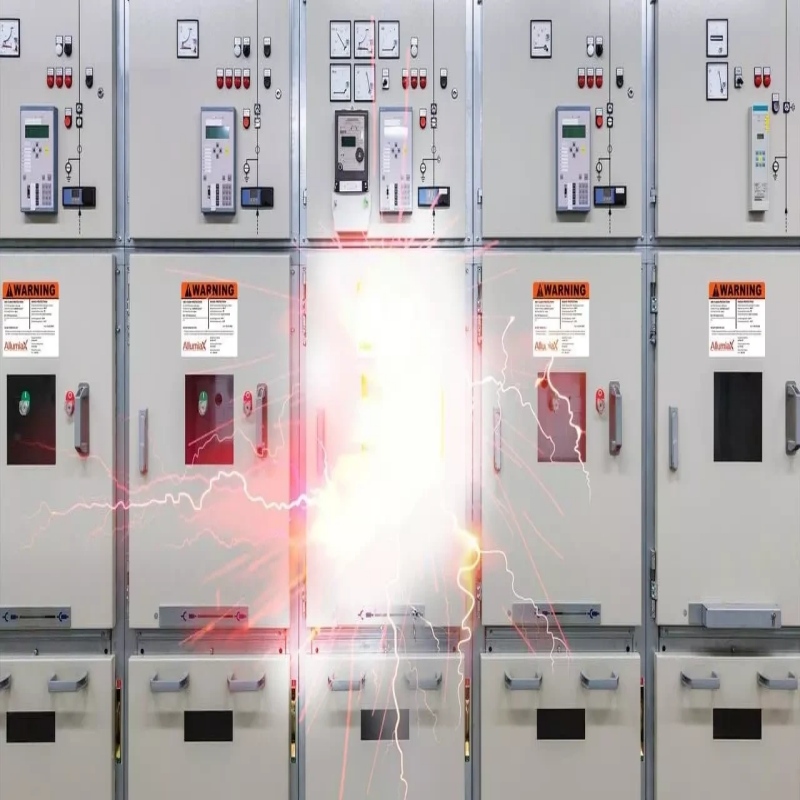
Arc flash withstand capability is a crucial safety feature of modern switchgear. It refers to the ability of the switchgear to effectively limit the outward emission of high-temperature, high-pressure gases and arc energy during an internal arc fault, through designs such as high-strength cabinets, directional pressure relief channels, all-metal compartments, and multiple interlocks, thereby protecting the safety of personnel operating in front of and around the switchgear.
This capability requires passing rigorous type tests according to standards such as IEC 62271-200 or IEEE C37.20.7, and is often used in conjunction with millisecond-level arc flash protection systems to achieve dual protection of “rapid disconnection + structural withstand capability.”
In high-risk or high-reliability scenarios such as subways, hospitals, petrochemical plants, and data centers, arc flash withstand design has become an essential line of defense for ensuring life and system safety.
Applications in Different Industries
Rail Transit: Subway substations utilize IAC-class medium-voltage switchgear to ensure personnel safety in enclosed underground spaces.
Medical Systems: Hospital power distribution centers use arc-resistant switchgear to ensure continuous and safe power supply to ICUs and operating rooms.
Petrochemicals: In flammable and explosive environments, the fully enclosed metal design prevents electric arcs from igniting hazardous gases.
Data Centers: Combined with rapid switching and intelligent monitoring, it achieves the dual goals of “zero interruption + high safety”.
Overseas Projects: Meeting international standards, it has become a key piece of equipment in “Belt and Road” power projects.
Conclusion
Hidden deep within the power distribution room, rarely seen by the public, the switch cabinet steps forward in every instance of abnormal current. Silent and unassuming, it uses precise logic and robust structure to isolate danger in milliseconds, safeguarding the lights of countless homes and forming the most solid defense line for the energy lifeline of modern society.
FAQ
-
What does “arc-resistant”mean for switchgear?
Arc-resistant capability refers to a switchgear’s ability to contain and redirect the energy from an internal arc fault through engineered features such as pressure-relief ducts and reinforced enclosures. The goal is to protect personnel and prevent fault propagation.
-
What are the main components of switchgear?
Typical switchgear consists of circuit breakers, disconnect switches, fuses, busbars, protective relays, metal enclosures with internal compartments, and auxiliary devices such as indicator lights, push buttons, and control power transformers. Each component plays a specific role in ensuring safe and reliable power distribution.
-
How does switchgear protect electrical equipment?
Switchgear protects connected equipment by detecting abnormal conditions and quickly interrupting the fault current using breakers, fuses, and protective relays. Isolation functions also provide a visible and safe disconnection point for maintenance personnel.
-
How is switchgear classified by voltage level?
By voltage rating, switchgear is typically classified as low voltage (≤ 1 kV), medium voltage (> 1 kV to 35 kV), and high voltage (> 35 kV). Low-voltage switchgear is mainly used for end-user distribution, medium-voltage switchgear is common in distribution substations, and high-voltage equipment is primarily applied in transmission systems.
-
What “smart”functions do modern switchgear systems provide?
Modern switchgear supports manual and automatic switching, remote operation, interlocking, and sequence control. With integrated communication interfaces, it can connect to SCADA and energy management systems, enabling real-time monitoring, fault alarms, and improved maintenance efficiency.
-
How does an arc-flash protection system work?
Arc-flash protection systems continuously monitor the switchgear interior using optical sensors or fiber-optic detectors. When intense light is detected and confirmed by an overcurrent signal, the system issues a trip command within milliseconds, far faster than conventional relay protection, significantly reducing arc energy and damage.
-
Where is switchgear most commonly used?
Switchgear is widely applied in rail transit systems, petrochemical plants, hospitals, data centers, and international EPC power projects. In high-risk or high-reliability environmentsarc-resistant switchgear is especially critical.
--- END ---
Prev: What Is A Load Break Switch? Types, and Applications
Already the latest article
Let’s Get Started
Providing you with the most trusted energy solutions in an unpredictable world.
Contact UsRequest an Insurance Quote

Our Products
As a trusted manufacturer, we provide advanced equipment that supports the digital transformation and sustainability of the electrical grid.
Our carefully crafted product range meets the unique needs of different countries and clients.
More Products

